





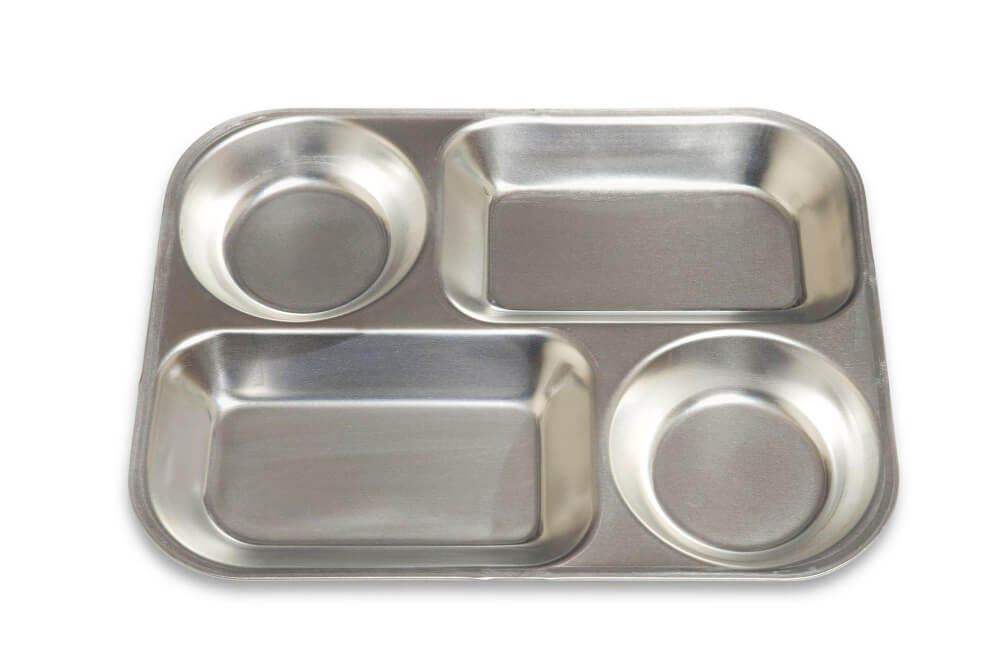
If you’re in the meal-prep or takeaway game, you already know the container does more than hold food—it communicates brand, preserves quality, and protects your margin. Choosing the right compartment tray means balancing design, functionality and sustainability.
Here’s a roadmap to help you pick the best tray for your business, with practical steps and internal links to explore further.
Why the Tray Matters
A compartment tray is not just a splitting of portions—it defines the eating experience. The right tray:
- Ensures different food components stay separate (so flavour/texture isn’t compromised)
- Maintains structural integrity during transport and reheating
- Supports your brand’s appearance and promise
- Aligns with waste and disposal requirements
If you pick poorly, you risk leaks, collapsed compartments, cost blow-outs or worse—brand reputation hit.
Step 1: Define Your Meal Format
Start by clarifying what your meals require. Ask:
- How many compartments do you need? (two-, three-, five-compartment? Portion sizes?)
- What temperatures will the tray face? Frozen, chilled, hot, reheated?
- Will customers reheat in microwave/oven, or simply use at room temperature?
- How will the tray be transported and stacked?
Having those details upfront ensures you’re choosing a tray fit for use—not just good looking.
Step 2: Choose Materials & Performance
Once format is clear, zero in on materials and performance specs. Some key questions:
- Heat resistance: Will the tray handle freezer-to-oven (or freezer-to-microwave) without warping?
- Barrier & durability: Does it cope with sauces, moisture, grease? Are the walls and lids rigid enough for transport?
- Clarity/visibility: Do you need transparent lids or clear trays to show the food?
- Sustainability & compliance: Is the material recyclable/compostable? Does it align with your long term packaging strategy?
If you like one good example, see how we provide Sustainable Compartment Trays for food brands—trays designed not just for form but for function and future-proofing under sustainability rules.
Step 3: Match Tray Design to Logistic and Brand Needs
The tray has to work in your actual operation. Consider:
- Stack-ability and shipping: Will it collapse or tilt during transit?
- Lidding/sealing compatibility: If you use films or lids, ensure the tray lip is compatible with your sealing equipment.
- Customer usability: For takeaway, compartments should be easy to eat from; for meal-prep, reheating & portioning come into play.
- Branding and aesthetics: Tray colour, finish and visual clarity affect perception. A plain tray may cost less, but does it uphold your brand promise?
Step 4: Sustainability and End-of-Life Considerations
In Australia, packaging isn’t just about function anymore—it’s about what happens after use. Ask:
- Is the tray recyclable under local systems?
- Does it require special disposal (composting) or is it curbside accepted?
- Will you communicate disposal instructions to your customers?
- Will the material hold up without compromising safety or appearance?
Brands that integrate sustainability early reduce risks and build trust. Dive into our broader Sustainability approach to see how packaging plays into compliance and brand integrity.
Step 5: Prototype, Test, and Iterate
Before committing large volumes, test with real meals. Check for:
- Tray integrity after freezing, reheating, or transport
- Seal performance and lid fit (prevents leaks)
- Appearance after handling (does it scratch, bend, lose clarity?)
- Customer experience (ease of eating, reheating)
- Feedback from operations (does it stack well, is it efficient?)
Often small tweaks in depth, wall height or compartment size make big operational differences.
Step 6: Partner with Experts
If you’re juggling menu innovation, logistics and brand building, you’ll want a packaging partner who understands the full ecosystem. A supplier who can:
- Help replicate existing tray formats in new materials
- Advise on regulatory and sustainability trends
- Assist in hub-to-hub logistics for packaging supply
At Carewell, we deliver tailored solutions for meal-prep and takeaway operations: from custom tray formats to material advice to supply across Australia.