




Switching a food or consumer brand to genuinely sustainable packaging is not a single purchase decision, it is a collaboration between the brand and the packaging supplier, because the pack has to keep doing its job (protecting the product, carrying the brand, surviving the supply chain) while meeting a verified recyclability or compostability standard. Carewell Group’s work with meal brand Mini Dins is a live example of how that collaboration is approached in practice, and this page uses it to explain the process any brand can follow.
Why this kind of collaboration matters now
Australia’s packaging landscape is entering a stricter phase. Under the Australian Packaging Covenant Organisation’s 2025 National Packaging Targets and a developing Extended Producer Responsibility (EPR) model, brands are expected to ensure their packaging is:
- Recyclable or compostable under systems that actually exist locally, not just in theory.
- Verified through APCO’s PREP (Packaging Recyclability Evaluation Portal) rather than self-certified.
- Labelled correctly using the Australasian Recycling Label (ARL), so the customer knows exactly what to do with each component.
That means packaging decisions can no longer be made in isolation by either side. A brand cannot simply ask for “eco packaging” and expect a supplier to hand over something generic; the format has to be engineered around the product, tested, and verified before it goes to market.
What this looks like for a meal or food brand
For a brand like Mini Dins, working through this typically means evaluating options such as:
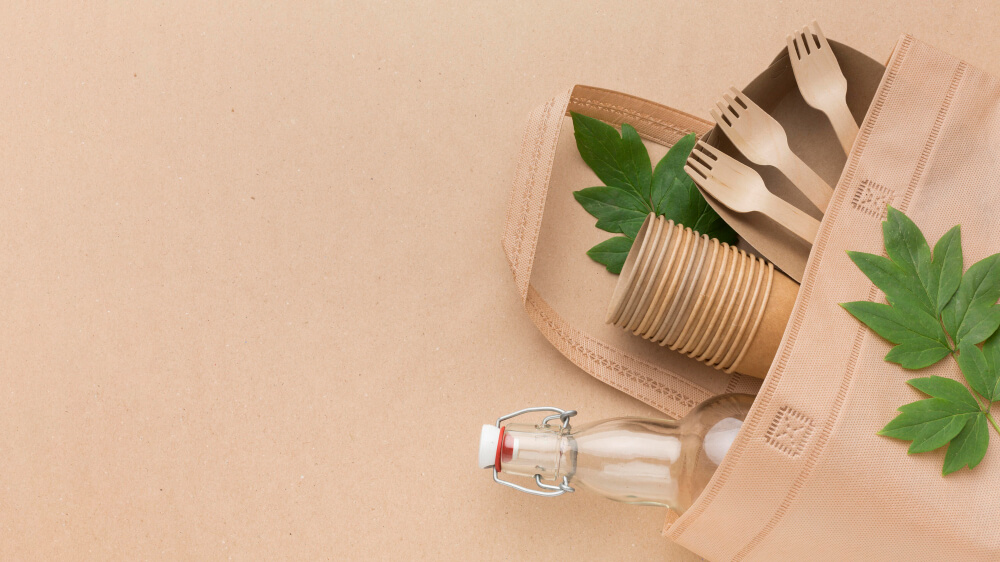
- Compostable sugarcane bagasse trays, well suited to portion-controlled products such as kids’ meals, and verified compostable under AS 4736 or AS 5810 rather than a general biodegradable claim.
- rPET or CPET trays, fully recyclable, food-safe, and compatible with standard sealing systems where a clear or freezer-to-oven format is needed. See CPET trays.
- Bio-based films and lids, specified for moisture resistance and clarity so the product still presents well through packaging and on shelf.
The brand’s visual identity and functional requirements (shelf life, sealing method, freezer or ambient storage) stay the fixed point, and the material selection is engineered around them, not the other way around.
How Carewell approaches the engineering side
- Material mapping and lifecycle consideration, checking recyclability and durability together rather than one at the expense of the other.
- Barrier performance testing, to confirm the format maintains freshness and food safety through the product’s real shelf life.
- ARL verification support, aligning the finished design with a recyclability claim that has actually been verified through PREP, not assumed.
This is the same process behind Carewell’s broader food packaging range, see sugarcane bagasse and moulded-fibre trays and CPET trays for the formats most commonly used in this kind of transition.
The broader lesson for any brand considering this
The Mini Dins collaboration is illustrative of a pattern rather than a one-off: a brand with a product that already works, moving to a verified sustainable format without changing what the customer receives or how the kitchen or fulfilment line packs it. The full checklist for approaching a switch like this at any stage of an order is in the eco-friendly packaging checklist for ecommerce, and the cost side is covered in switching to eco packaging without increasing costs.
How Carewell Group helps
Carewell Group is an Australian packaging manufacturer and supplier, certified to ISO 9001, ISO 14001 and ISO 45001, and an APCO member. We work with food and consumer brands to specify, test and verify sustainable packaging formats that preserve brand identity and product performance while meeting current and coming compliance requirements.
Carewell can meet all your packaging needs for your business. Talk to our expert and we will work to your required MOQ. Call +61 (02) 8760 1491 or request samples and a packaging review.
Frequently asked questions
What does an eco-packaging collaboration between a brand and a supplier actually involve?
Material selection matched to the product’s shelf life and sealing method, testing for barrier performance and food safety, and verification of any recyclability or compostability claim through APCO’s PREP tool before it goes on the label.
What packaging formats suit a meal or food brand moving to sustainable packaging?
Compostable sugarcane bagasse trays for portion-controlled meals, rPET or CPET trays where a clear or freezer-to-oven format is needed, and bio-based films or lids for moisture resistance and clarity.
Does moving to verified sustainable packaging change the product experience?
It should not. The goal is to keep the brand’s visual identity and functional requirements fixed and engineer the material choice around them, not compromise the product to fit the packaging.
Sources
- Australian Packaging Covenant Organisation, 2025 National Packaging Targets, ARL and PREP: apco.org.au
- Australian Standards AS 4736 (industrial compostability) and AS 5810 (home compostability).
Written by Alif Vasaya, digital and content strategy, Carewell Group. Carewell Group is an Australian packaging, food packaging, tape, industrial safety and 3PL supplier serving all of Australia. Last updated 17 September 2026.