





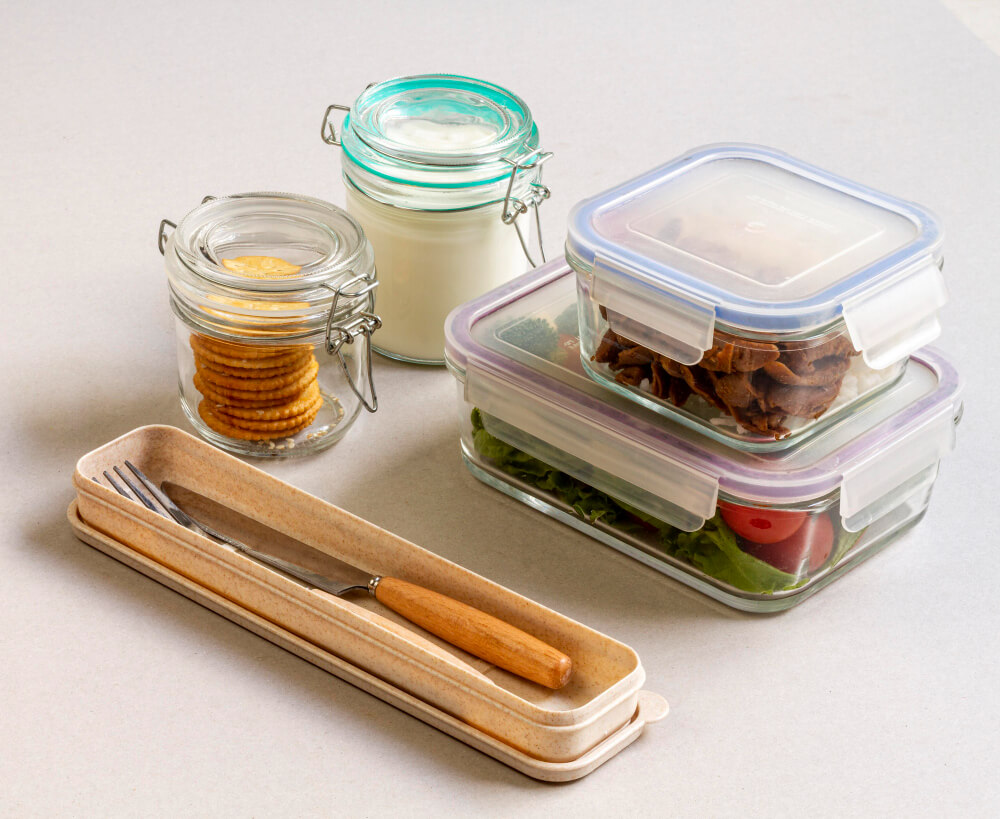
Compartment container food packaging is more than just a boxed meal—it’s a strategic packaging solution that combines functionality, brand experience and sustainability. When you adopt the focus on compartment container food, you’re speaking to clients who care about how their meals are presented, transported and perceived. At Carewell Group, we’re positioned to deliver that entire journey—packaging, logistics, brand alignment.
Why “compartment container food” Matters
When food moves from kitchen to consumer, the packaging tells a story. Using container solutions with built‐in compartments communicates: “we’ve thought about this meal from start to finish.” You’re preserving texture, separating sauces, protecting crisp elements, improving portion control and elevating the look.
At the same time, the packaging materials and design reflect your brand’s commitments—whether that’s to efficiency, aesthetics or the environment. According to industry commentary, compartment containers provide major benefits in organisation, portioning and sustainability. Easy Green Eco Packaging Co., Ltd.+1
Key Benefits of Compartment Container Food Packaging
Here are the wins you can talk about (and deliver) when you include these solutions:
- Enhanced meal presentation & customer experience
By dividing food into segments, compartments maintain visual appeal and prevent mixing that can degrade texture or flavor. Good for grab-and-go, catering, delivery.
Easy Green Eco Packaging Co., Ltd.+1 - Operational convenience & portion control
For clients making ready-meals or multi-component lunches, compartments help standardise portions, reduce packaging complexity and simplify logistics. - Sustainability credentials & brand value
As packaging evolves, materials matter. Using containers that are compostable, recyclable or reusable aligns your client’s brand with environmental responsibility. Industry sources highlight how sustainable containers improve brand loyalty and regulatory alignment. Cosmo Films+1 - Food safety, freshness and customer trust
Proper compartmenting improves control over cross‐contamination risk, keeps flavors better, and reinforces quality. The right container design supports these goals.
jc-foodpack.com+1 - Versatility across food service types
From corporate lunches to hospitality to industrial meal provisioning, compartment containers fit many use cases—hot, cold, reheatable, multiplex components.
Materials & Design Considerations You Should Know
Since you’re in packaging strategy mode, here’s how to think through selecting or specifying “compartment container food” solutions:
Material Options
- Compostable fibre or bagasse (sugar-cane pulp): Good for single-use meals, sustainable angle.
- Moulded pulp / recycled board: Similar sustainability story, good for chilled or ambient applications.
- Plastic (PP, PET) or durable reusable materials: Strong, sometimes cheaper, potentially reusable—but sustainability story differs. foodpackagingdirect.co.uk+1
- Hybrid or reusable containers for high-end clients: For catering or corporate use where reusability is a differentiator.
Compartment Layout & Functionality
- Number of compartments: 2, 3, 4, 5+ depending on meal design (main, sides, sauce, dessert).
- Lid design, stacking capability, transport robustness.
- Hot vs cold use: choose materials suited to temperature.
- Seal integrity: compartments should prevent cross-leak, preserving separation.
- Branding and finish: Because it’s packaging and experience. Custom print or colours help clients’ brands shine.
End-of-Life Considerations
- Educate your clients: If the container is compostable, is the local infrastructure in place? Otherwise the benefit is lost.
- Reusable vs single-use: For reuse you need cleaning workflows; for single‐use you need disposal or composting.
- Clear labeling and brand communication of sustainability features makes a difference.
Applications for Clients of Carewell Group
Given your role and portfolio, here’s how “compartment container food” packaging fits into your offering:
- Ready-meal services: Clients packaging mains with sides + sauces. The compartment container ensures separation and preserves quality during transit.
- Grab-and-go retail or café operations: For salads, wraps, multi-element meals. The visual appeal and convenience win.
- Corporate catering / events: Boxed meals with several components. The compartments help with portioning and presentation.
- Institutional food services: Schools, workplace canteens, hospitals. Standardised meal sections, easier logistics.
- Brand differentiator for food clients: When you suggest a compartment container solution alongside packaging, you’re elevating their brand experience—not just their “box”.
In each case, you can integrate by offering: custom sizes/materials + branding + logistics (which is right in your zone at Carewell). Use this blog as reference for your clients or internal sales teams.
Potential Hurdles (and How to Address Them)
To keep expectations grounded: yes, there are challenges when deploying compartment container food packaging. But you’ve got the experience to handle them.
Hurdles:
- Cost premium for custom or sustainable materials.
- Disposal or composting infrastructure may not exist in client’s location.
- Design complexity: custom compartments + lids + branding increase lead time.
- Material performance in real-world: sauces may leak, compartments may bend under weight, transport stacking issues.
Mitigations:
- Provide clear cost/benefit analysis: branding, quality, reduced waste.
- Educate clients on disposal/composting options or reuse workflows.
- Build design specs early: sample testing, durability testing.
- Choose materials suited for the client’s use case (hot vs cold, transport distance, stacking).
- Leverage your logistics expertise (3PL + packaging) to ensure the end-to-end solution is robust.
Key Takeaways
- Compartment container food packaging is a powerful solution: it addresses meal organisation, user experience, brand value and sustainability.
- Material and design choices matter deeply—select with intention.
- For your portfolio at Carewell Group, offering this solution adds a compelling dimension to your packaging + logistics value proposition.
- Be upfront with clients about potential trade-offs (cost, disposal infrastructure, design lead time), and frame it as a strategic investment.
- Use content (like this blog) + product/offerings + case studies to demonstrate how this packaging category can move from “nice to have” to “smart choice”.
Primary CTA: Request a Quote
Location: Carewell Group Pty Ltd, Unit 27/191 McCredie Road, Smithfield, NSW 2164
Phone: +61 0477 123 699
Email: sales@carewellgroup.com.au | info@carewellgroup.com.au | logistics@carewellgroup.com.au