





The co-packing industry in Australia has quietly become one of the most powerful engines behind the country’s growing food and beverage market. As brands race to meet consumer demand for quality, convenience, and speed, co-packers are stepping in to help them scale efficiently — turning ideas into perfectly packaged, shelf-ready products.
From boutique food startups to global manufacturers, businesses are increasingly relying on contract and co-packing services to bridge the gap between production and retail. The result? Faster turnaround, reduced overheads, and professional packaging that elevates brand value.
What Is Co-Packing?
Co-packing (short for “contract packing”) is the process of outsourcing packaging operations to specialized service providers who have the equipment, expertise, and capacity to prepare products for distribution.
In Australia’s evolving supply chain landscape, co-packers manage everything from filling, labeling, and sealing to warehousing, logistics, and distribution. This allows businesses to focus on innovation, marketing, and growth while leaving the technical and regulatory complexities of packaging to the experts.
How Co-Packers Turn Concepts into Shelf-Ready Products
The journey from concept to shelf isn’t as simple as it looks. Each stage — from sourcing to packaging design to compliance — requires coordination and expertise. Here’s how the co-packing industry in Australia helps bring it all together.
1. Product Consultation and Planning
Every great packaging project starts with understanding the product. Co-packers consult with clients to determine the right packaging materials, portion sizes, and labeling that suit both product integrity and retail requirements.
2. Material Sourcing and Design
Leading co-packers like Carewell Group help businesses choose sustainable, cost-effective materials while designing packaging that enhances brand presence on shelves. Whether it’s liquid pouches, sachets, or ready-meal trays, the focus is always on performance, compliance, and presentation.
3. Production and Filling
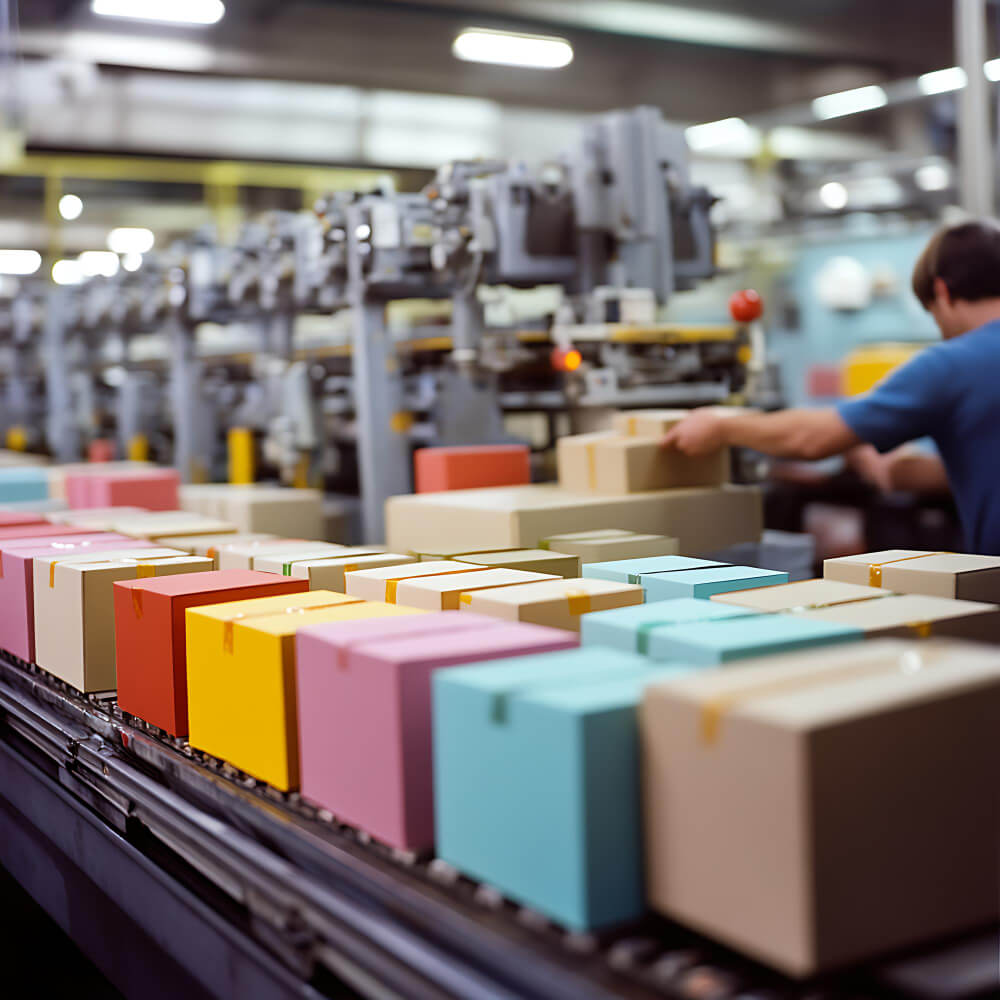
Modern co-packing facilities use automated systems for accurate product filling and sealing. This precision ensures consistency, hygiene, and efficiency — essential for maintaining consumer trust in competitive markets like food and beverage.
4. Labelling and Quality Control
Labels are more than just decoration — they’re the bridge between brand and consumer. Co-packers manage the printing, application, and verification of labels to ensure compliance with Australian standards while keeping branding clear and appealing.
5. Storage and Logistics
Once packaged, products move into warehousing and distribution. Co-packers often offer temperature-controlled storage, bulk shipping, and inventory management, ensuring seamless delivery to retailers or distributors.
With this end-to-end system, brands can move from concept to shelf-ready faster than ever before.
Why More Australian Brands Are Turning to Co-Packing
The rise of co-packing in Australia isn’t just about outsourcing — it’s about unlocking efficiency and scale. Here’s why more companies are choosing this model:
- Cost-Effective Scaling – Avoid heavy machinery investments and focus capital on marketing and product development.
- Expertise on Demand – Tap into professionals who understand food safety, labeling laws, and packaging compliance.
- Speed to Market – Reduce production timelines with ready-to-deploy packaging systems.
- Flexibility – Adjust production volumes to match seasonal or promotional demand.
- Sustainability Alignment – Many co-packers now offer eco-friendly materials and energy-efficient processes to support greener business models.
By partnering with a reliable co-packer, even small and mid-sized brands can operate like major players — with world-class packaging and logistics infrastructure.
The Carewell Group Advantage
At the forefront of the co-packing industry in Australia, Carewell Group delivers end-to-end solutions that help businesses of all sizes succeed. Their expertise covers everything from liquid packaging and food portioning to labeling, warehousing, and logistics — all under one roof.
With a focus on innovation and sustainability, Carewell ensures your product is not just packaged but truly ready for market success.
Explore how Carewell supports your packaging journey with their liquid contract packaging and end-to-end co-packing services designed to streamline production and elevate presentation.
Sustainability in Modern Co-Packing
Sustainability is now at the core of packaging decisions in Australia. The country’s push toward a circular economy means co-packers are adapting by:
- Using recyclable and compostable materials
- Reducing plastic dependency
- Optimising packaging weight and logistics efficiency
- Implementing waste-reduction practices in production facilities
These changes not only benefit the environment but also enhance brand reputation and consumer trust.
Looking Ahead: The Future of Australia’s Co-Packing Industry
The next phase of growth for the co-packing industry in Australia will be defined by technology, automation, and sustainability. Smart packaging, digital tracking, and AI-powered production management are already reshaping the way co-packers operate.
For businesses looking to innovate, co-packing partnerships will become even more essential — combining efficiency with creativity to deliver exceptional products from concept to shelf.
Explore global co-packing trends and packaging innovation insights
Carewell Group Pty Ltd
Unit 27/191 Mccredie Road, Smithfield, NSW 2164
+61 0477 123 699
sales@carewellgroup.com.au | info@carewellgroup.com.au | logistics@carewellgroup.com.au