






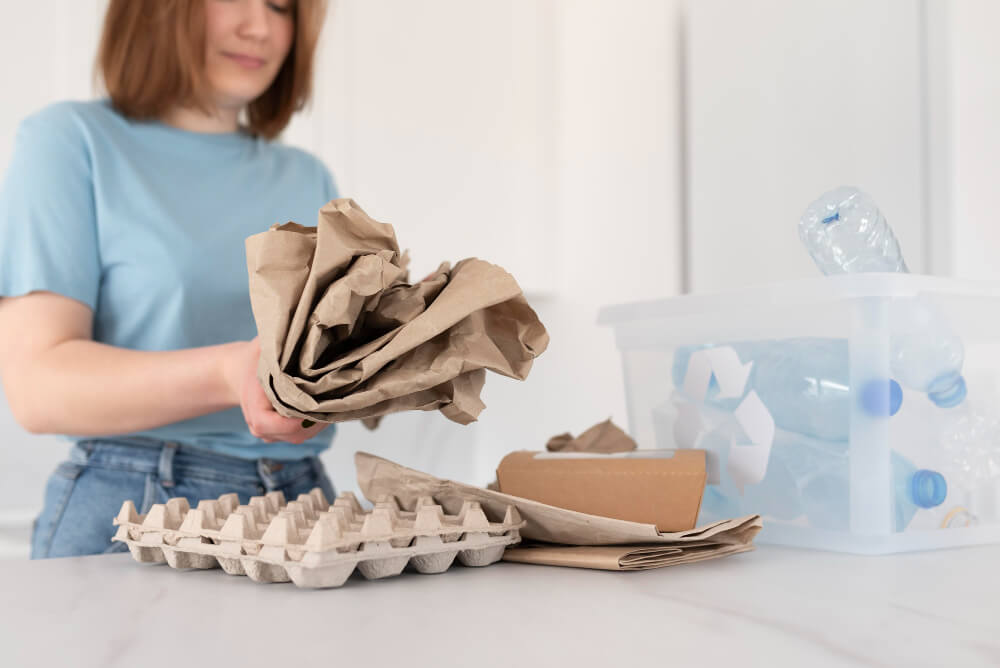
For Australian businesses, reducing packaging waste has become both an environmental and commercial priority. With landfill levels rising and consumers demanding more eco-conscious options, companies across every sector are rethinking how they design, use, and dispose of packaging materials.
The good news? Waste reduction doesn’t always mean higher costs — it often leads to efficiency gains, stronger brand perception, and long-term savings. Whether you’re a manufacturer, retailer, or logistics provider, there are actionable ways to make packaging more sustainable starting right now.
Why Reducing Packaging Waste Matters
Every year, Australia generates more than 5.5 million tonnes of packaging waste. Despite national recycling programs, nearly half of it still ends up in landfill. The government’s National Packaging Targets 2025 aim to ensure all packaging is 100% reusable, recyclable, or compostable, pushing businesses toward innovation and responsibility.
By reducing packaging waste, companies can:
- Cut operational costs through smarter material use.
- Strengthen customer trust and loyalty.
- Stay ahead of sustainability regulations.
- Improve logistics efficiency by reducing bulk and weight.
For businesses serious about transitioning toward sustainable packaging, Carewell Group provides end-to-end custom packaging solutions — designed for performance, efficiency, and minimal waste. Explore how we help brands innovate responsibly.
Step 1: Conduct a Packaging Audit
The first step in reducing waste is understanding what you use. Conduct an internal packaging audit to identify:
- Which materials contribute most to waste.
- Which products can be redesigned for recyclability.
- Where excess or redundant packaging can be eliminated.
Simple changes like switching from multi-layer plastic to mono-material packaging or using recycled cardboard inserts can have an immediate impact.
Step 2: Redesign for Efficiency
Sustainable packaging design starts with rethinking form and function. Consider:
- Right-sizing packaging: Avoid oversized boxes and unnecessary fillers.
- Lightweight materials: Reduce freight weight and carbon footprint.
- Reusable formats: Introduce refillable or returnable systems.
- Flat-pack designs: Save storage and transportation space.
Companies like Carewell help brands adopt custom-engineered packaging tailored to product dimensions and supply chain needs — creating less waste from the start.
Step 3: Switch to Eco-Friendly Materials
The market now offers a wide range of sustainable materials that perform as well as traditional plastics. Examples include:
- Bagasse trays: Compostable and heat-resistant, ideal for food service.
- Recycled cardboard: Perfect for secondary and tertiary packaging.
- PLA bioplastics: Made from renewable plant sources.
- Paper wraps and mailers: Recyclable and lightweight alternatives.
Transitioning to eco-materials also enhances brand image, positioning your business as a sustainability leader.
Step 4: Improve Your Supply Chain Collaboration
Reducing packaging waste requires cooperation across the entire value chain — from suppliers to customers. Encourage your partners to:
- Use standardised recyclable materials.
- Optimise pallet configurations and reduce void fill.
- Share sustainability data to measure collective progress.
When businesses work collaboratively, the environmental impact compounds. This network effect is central to Australia’s transition toward a circular economy.
Step 5: Educate Consumers and Employees
Even the most sustainable packaging can end up wasted if users don’t know how to dispose of it properly. Clearly label packaging as recyclable, compostable, or returnable. Provide disposal guidance both on-pack and online.
Internally, train employees to separate materials, reduce single-use items, and recognise efficiency opportunities in daily operations. Sustainability is most powerful when everyone participates.
Step 6: Partner with Sustainable Packaging Experts
Sometimes, the biggest challenge isn’t commitment — it’s knowing where to start. Partnering with an experienced packaging provider ensures your efforts are practical, compliant, and scalable.
At Carewell Group, we help businesses create custom packaging that blends durability, sustainability, and brand impact. From recyclable wraps to compostable food trays, our designs focus on reducing waste while maintaining top performance.
Discover how Carewell’s custom solutions can help you meet both environmental and commercial goals: https://carewellgroup.com.au/custom-solutions/.
Step 7: Track, Measure, and Improve
Sustainability isn’t a one-off project — it’s a continuous process. Establish measurable KPIs like:
- Packaging waste reduction percentages.
- Recyclable material usage rates.
- Transportation and emissions savings.
Regular reviews ensure accountability and uncover new opportunities for improvement.
For more expert insights and best practices in sustainable packaging, visit this external resource.
The Future of Packaging Waste Reduction
The next few years will bring major changes to how Australian companies design and manage packaging. As new laws restrict single-use plastics and promote circular design, early adopters will gain both environmental and competitive advantages.
Businesses that embrace innovation, transparency, and adaptability will not only reduce waste but also future-proof their operations in a rapidly evolving marketplace.
Final Thoughts
Reducing packaging waste isn’t just about compliance — it’s about leading responsibly. Every small change, from lighter boxes to compostable trays, contributes to a larger movement toward a cleaner, more sustainable Australia.
At Carewell Group, we’re proud to partner with businesses ready to make that shift — one sustainable package at a time.
Carewell Group Pty Ltd
Unit 27/191 McCredie Road, Smithfield, NSW 2164
Phone: +61 0477 123 699
Email: sales@carewellgroup.com.au | info@carewellgroup.com.au | logistics@carewellgroup.com.au