




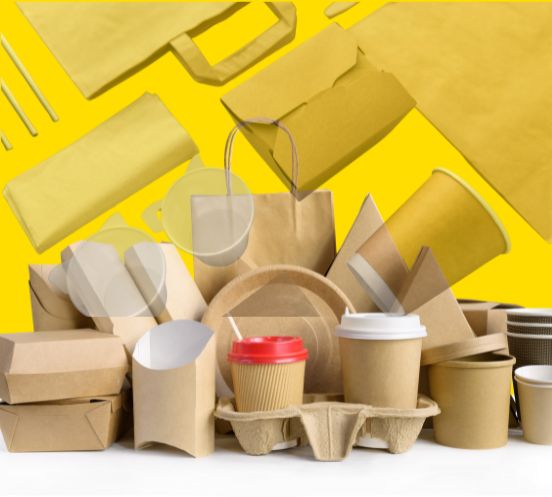
APET (Amorphous Polyethylene Terephthalate) and PP (Polypropylene) are common materials used for ready meal trays, and each offers distinct advantages depending on the application.
Cost and Supply Chain Considerations: Balancing Performance and Procurement
When choosing between packaging materials, cost and supply stability often matter just as much as performance. For B2B buyers managing long-term contracts or high-volume production, understanding market dynamics helps ensure consistent quality without overspending.
In the packaging sector—particularly for thermoformed trays, containers, and films—APET (Amorphous Polyethylene Terephthalate) and PP (Polypropylene) remain two of the most common substrates. While both are versatile, they differ in price structure, sourcing patterns, and logistical resilience.
1. APET: Premium Clarity with a Price Tag
Market Trend:
APET is prized for its glass-like transparency, strength, and recyclability. However, those advantages come at a modest cost premium. The material is derived from PET resin, which is also in demand across beverage bottling and consumer goods sectors. This cross-industry competition can tighten supply and drive short-term price volatility.
Typical Pricing Context:
- APET generally commands 5–15% higher pricing than PP, depending on resin purity, sheet gauge, and supply contracts.
- Price fluctuations often mirror crude oil and global PET resin trends.
- Freight costs can also impact landed prices due to APET’s higher density per pallet.
Procurement Insight:
Businesses in food or retail packaging often justify APET’s premium because of its superior clarity, rigidity, and recyclability credentials—critical for high-visibility product displays or eco-focused branding. However, planning buffer stock or dual sourcing strategies can mitigate risks tied to resin shortages.
2. PP: Economical, Flexible, and Readily Available
Market Trend:
Polypropylene continues to be the most cost-effective choice for large-scale packaging applications. Its lower density means more yield per kilogram, translating to lower overall costs for packaging converters and end users.
Typical Pricing Context:
- PP prices are typically more stable than PET-based materials.
- Available in a wide range of grades (cast, extruded, co-polymer blends), allowing buyers to tailor material choice to both budget and performance needs.
- Lower shipping weight reduces logistics and handling expenses.
Procurement Insight:
PP’s flexibility in sourcing—both locally and internationally—makes it attractive for large distributors and industrial packagers. For businesses prioritising scalability and predictable supply, PP is often the more reliable long-term option.
3. Supply Chain Factors to Watch
- Resin Feedstock Availability: Global petrochemical production impacts both APET and PP pricing. Supply interruptions or energy cost surges can ripple through packaging markets.
- Recycled Material Integration: The rise of rPET and recycled PP options may offset raw material costs while helping brands meet sustainability goals.
- Shipping & Lead Times: Importing materials can introduce variability due to freight congestion or tariffs. Partnering with local suppliers like Carewell Group helps maintain continuity.
- Demand Cycles: Seasonal peaks in food, retail, and logistics sectors drive short-term competition for both materials, influencing spot rates and allocation priorities.
Smart Procurement, Sustainable Advantage
For procurement teams, the choice between APET and PP isn’t purely financial—it’s strategic. APET aligns with premium presentation and recyclability goals, while PP offers affordability, versatility, and stable supply. The optimal approach often blends both, assigning each material to the packaging application where it performs best.
For support in material selection and supply planning, explore Carewell Group’s Custom Packaging Solutions or contact the team directly at sales@carewellgroup.com.au for tailored procurement advice.
For industry-wide insights on resin markets and sustainability sourcing, refer to this external packaging market report.
APET ready meal trays
- Transparency: APET is known for its excellent transparency, making it ideal for displaying the food product inside.
- Stiffness and strength: APET offers good stiffness, impact resistance, and overall strength, suitable for containing and protecting various food items.
- Barrier properties: APET provides a good barrier against oxygen and moisture, helping to preserve the freshness and shelf life of packaged food.
- Heat Resistance: While suitable for cold and room-temperature applications and can handle some heat, APET is not ideal for high-temperature microwave cooking, according to Brothers Packaging.
- Applications: Commonly used for fresh produce, bakery items, salads, and certain ready-to-eat meals where clarity and moderate heat resistance are desired.
PET tray vs. PP tray: what is the difference?
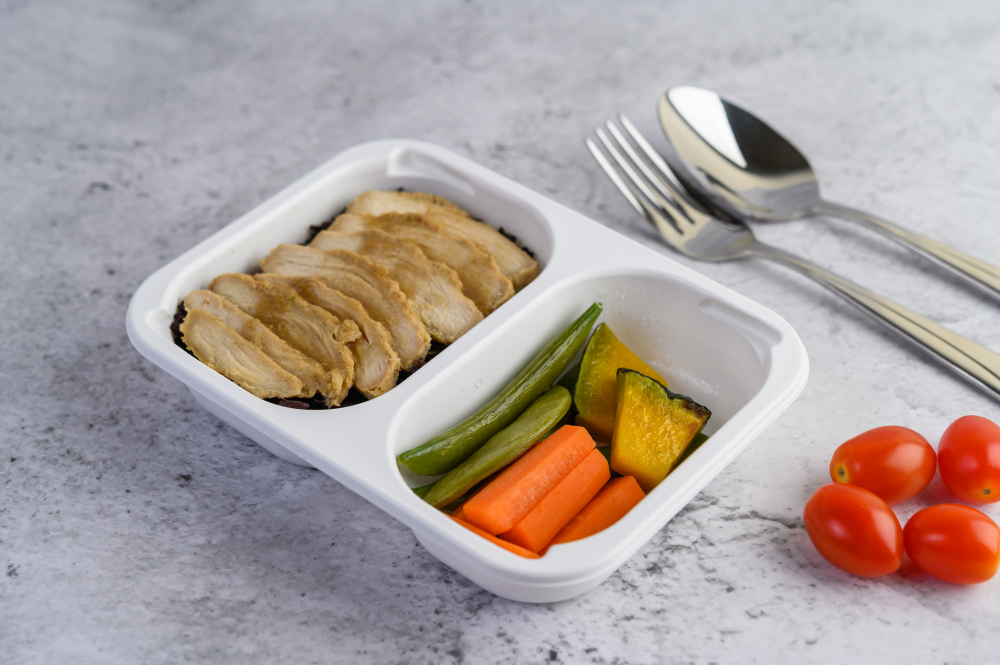
PP ready meal trays
- Heat resistance: PP offers excellent heat resistance, making it suitable for microwave and hot-fill applications, withstanding temperatures up to 130°C.
- Flexibility and durability: PP is known for its flexibility and good fatigue resistance, making it durable and suitable for repeated use in some cases.
- Chemical resistance: PP exhibits good chemical resistance, particularly against acids and bases, making it suitable for dairy products and certain acidic or alkaline foods.
- Moisture barrier: PP provides a good barrier against moisture, which can be beneficial for protecting products from water vapor penetration.
- Transparency: While PP is generally semi-transparent or opaque, clarified grades offer improved clarity for applications where some level of transparency is desired.
- Applications: Often used for takeaway containers, hot meal trays, food storage, and other applications where high heat tolerance and chemical resistance are necessary.
Key differences summarised
| Feature | APET | PP |
|---|---|---|
| Transparency | Crystal-clear, ideal for product visibility. | Semi-transparent or opaque, though clarified grades are available. |
| Heat Resistance | Better suited for cold/room temperature, moderate heat resistance. | Excellent heat resistance, suitable for microwaves and hot-filling (up to 130°C). |
| Barrier Properties | Good barrier against oxygen and moisture, excellent gas barrier. | Good moisture resistance, but less effective against gases. |
| Durability | Strong and impact-resistant, less flexible. | Flexible, good fatigue resistance, resistant to bending. |
| Chemical Resistance | Resistant to water, alcohol, and oils; less resistant to strong acids and bases. | Excellent resistance to acids and bases, also resistant to oils, grease, and chemicals. |
| Recyclability | Highly recyclable with established recycling infrastructure. | Recyclable, but with less developed infrastructure than PET, according to gogreenpackaging.com. |
| Cost | Generally slightly more expensive. | Generally more economical. |
| Best suited for | Packaging where transparency and moderate heat resistance are valued. | Applications requiring high heat resistance, flexibility, chemical resistance, and cost-effectiveness. |
Ultimately, the choice between APET and PP for ready meal trays depends on the specific product requirements, including desired transparency, temperature exposure, shelf life needs, cost considerations, and environmental impact goals.