





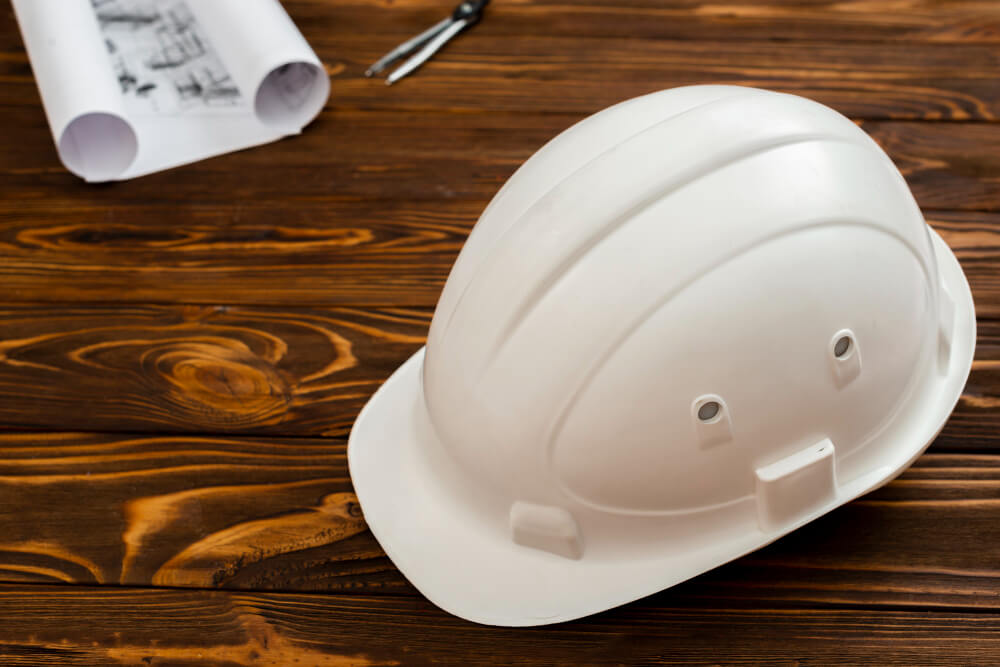
When it comes to workplace safety, a helmet isn’t just another piece of gear—it’s often the first line of defense against serious injury. But not all helmets are built the same. Choosing durable safety helmets can make the difference between reliable protection and unnecessary risk. Here are six critical features to consider before investing in helmets for your workforce.
When protecting your team in high‑risk environments, our customised durable safety helmets deliver the resilience and reliability your workforce demands. Built from impact‑resistant shells like HDPE or ABS and featuring advanced suspension systems, these helmets stand up to heavy‑duty use while keeping comfort in mind. Browse our full Safety Vests collection to view how head protection integrates with your high‑visibility gear strategy. And if you’re reinforcing your broader safety‑wear programme, check out our Safety Vests: Required, When & Why High‑Visibility Gear Is Essential article for key context. With the right helmet choice, you safeguard heads and reinforce your brand’s commitment to workplace safety.
1. High-Quality Impact-Resistant Material
The foundation of any reliable safety helmet lies in its material. Durability begins with a strong, impact-resistant shell designed to withstand the daily hazards of industrial and construction sites.
Modern helmets are commonly crafted from high-density polyethylene (HDPE), ABS plastic, or fiberglass — materials known for their exceptional strength-to-weight ratio. HDPE offers flexibility and impact absorption, ABS provides rigidity and resistance to cracking, and fiberglass adds superior heat and chemical resistance. Together, these properties ensure helmets remain dependable even under intense conditions.
Lightweight construction also minimizes strain during long shifts, improving comfort without compromising safety. When properly maintained, these helmets can offer years of reliable head protection, reducing replacement costs and supporting workplace compliance.
Explore Carewell’s range of durable safety helmets built with industry-grade materials for lasting protection on the job.
2. Shock-Absorbing Suspension System
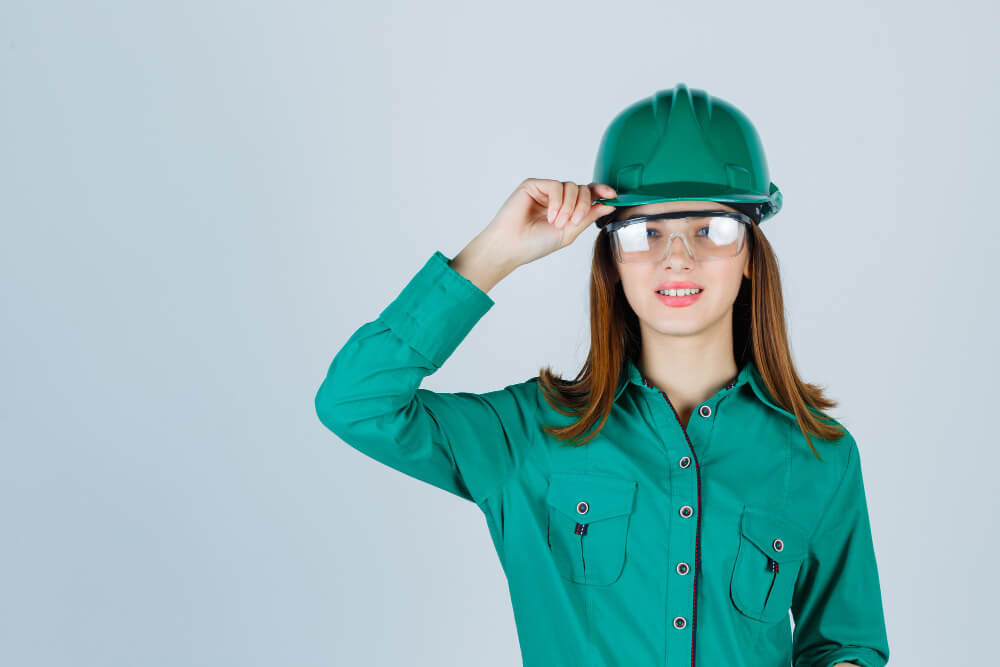
While the outer shell shields against external impact, the true safety of a helmet lies in its suspension system. This inner framework acts as a cushion, absorbing shock and dispersing impact forces evenly across the head — a crucial feature in preventing serious injuries from falling objects or sudden impacts.
Modern safety helmets typically feature 4-point or 6-point suspension systems, offering varying levels of stability and comfort. The more contact points, the better the weight distribution, ensuring that even strong impacts are spread out rather than concentrated in one area. Adjustable straps and cushioned headbands further enhance comfort during long shifts, helping workers stay protected without distraction or fatigue.
It’s important to inspect and adjust the suspension system regularly to ensure a secure, customized fit. Worn or stretched straps can compromise protection, so replacements should be made as soon as wear is noticed.
For dependable, ergonomically designed helmets featuring advanced suspension technology, explore Carewell’s safety equipment collection — engineered for both comfort and maximum head protection on-site.
3. Ventilation and Comfort Features
Even the safest helmet won’t do its job if workers avoid wearing it due to discomfort. That’s why modern safety helmets are designed with comfort in mind — because protection only works when it’s consistently used.
Ventilation holes play a key role in regulating airflow, helping to reduce heat buildup during long hours in the sun or factory settings. Moisture-wicking liners and replaceable sweatbands keep the interior dry, preventing irritation and maintaining hygiene. For hot climates or physically demanding jobs, these features can dramatically improve compliance and focus.
Lightweight materials such as ABS plastic or HDPE also reduce neck strain, allowing for easier movement without compromising durability. Some helmets now integrate adjustable chin straps and ergonomic padding, ensuring a snug yet breathable fit throughout the day.
For teams working in Australia’s tough industrial and outdoor environments, comfort shouldn’t be optional — it’s part of safety itself. Discover Carewell’s range of safety helmets designed with superior ventilation and comfort features to keep your crew protected and productive.
4. Compatibility with Accessories
A good safety helmet should do more than just protect—it should adapt. The most effective designs come with built-in slots or mounting points for accessories like face shields, earmuffs, visors, and headlamps, allowing workers to customize their protection for specific environments.
This versatility means teams don’t need separate helmets for every task. Whether you’re grinding metal, working in noisy zones, or inspecting in low light, one compatible system keeps you compliant and comfortable. It also reduces clutter and replacement costs across the worksite.
When selecting a helmet, check that the attachments meet Australian Safety Standards to maintain certification and performance. The right setup should fit securely without affecting balance or ventilation.
Explore Carewell’s safety and protective equipment—each designed for practical compatibility and all-day comfort across industries.
5. UV and Heat Resistance
Constant exposure to sunlight and heat can silently wear down safety helmets. Over time, UV rays weaken plastic shells, causing brittleness and color fading that signal lost protection. That’s why UV-resistant helmets are a must for outdoor teams—they maintain both appearance and structural integrity even under harsh Australian sun.
For high-temperature worksites like welding, foundries, roofing, or metal fabrication, choose helmets built from heat-resistant polymers or coated with reflective finishes. These designs help deflect heat, keeping workers cooler and extending helmet life.
Routine inspections are key—replace helmets showing signs of fading or brittleness to ensure continued safety compliance.
Explore Carewell’s range of industrial-grade safety helmets engineered to withstand UV exposure, heat, and demanding field conditions.
6. Compliance with Safety Standards
True durability isn’t just about material strength—it’s about meeting the safety benchmarks that protect workers from real-world hazards. Helmets that comply with AS/NZS 1801 (Australia/New Zealand) or ANSI/ISEA Z89.1 (U.S.) standards have passed tests for impact resistance, penetration protection, and electrical insulation, ensuring consistent performance in tough environments.
Before purchasing, always check certification labels inside the helmet. Non-compliant gear might look sturdy but can fail when it matters most. For extra assurance, choose suppliers that provide transparent documentation and testing data.
Safe Work Australia offers detailed PPE compliance guidelines to help businesses verify standards and maintain workplace safety.
You can also explore Carewell’s compliant safety helmets—engineered to meet rigorous industrial safety regulations and protect workers in all conditions.
Smart Tip
Durability doesn’t just mean “long-lasting.” It means reliable protection every single day. Invest in helmets that balance safety, comfort, and compliance—you’ll reduce replacements and keep your team safe.
Contact Carewell: Request a Quote for Durable Safety Helmets
Location: Carewell Group Pty Ltd, Unit 27/191, McCredie Road, Smithfield, NSW 2164
Phone: +61 0477 123 699
Email: sales@carewellgroup.com.au | info@carewellgroup.com.au | logistics@carewellgroup.com.au