





Packaging waste is one of the largest contributors to landfill in Australia, with millions of tonnes discarded annually. Understanding how packaging waste travels from disposal to recycling helps businesses and consumers make smarter, more sustainable choices.
Adopting eco-friendly solutions, like those offered by Carewell Group, can significantly reduce environmental impact while enhancing operational efficiency and brand reputation.
The Lifecycle of Packaging Waste
- Production and Use
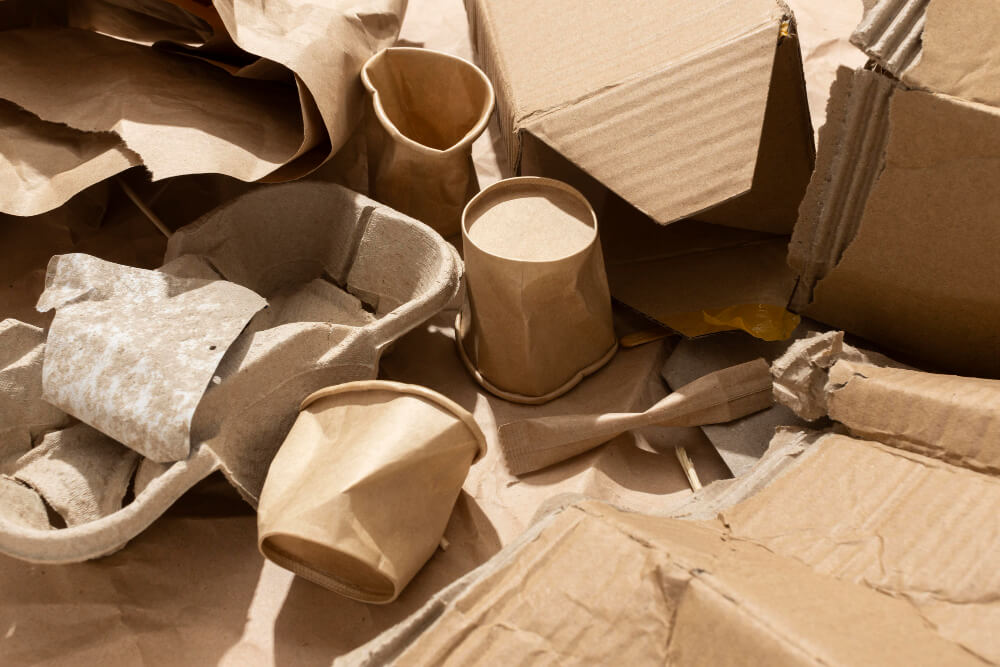
Packaging materials—plastic films, cardboard boxes, tapes, and polystyrene inserts—are manufactured and used to protect products during shipping and storage.
- Plastic and mixed-material packaging dominates, often ending up in landfill.
- Cardboard and paper are recyclable but require proper disposal.
- Collection
After use, packaging enters the waste stream:
- Household recycling bins for paper, cardboard, and recyclable plastics
- Industrial waste collection for bulk packaging materials
Proper sorting at this stage is critical to avoid contamination, which can prevent recycling.
- Sorting and Processing
Recycling facilities sort materials by type:
- Paper and cardboard are pulped and cleaned
- Plastics are sorted by resin type and cleaned
- Contaminated or non-recyclable materials are sent to landfill
This step determines whether the material can be successfully reused.
- Recycling and Repurposing
Sorted and processed materials are transformed into new products:
- Cardboard becomes new boxes or paper products
- Recycled plastics can form containers, packaging films, or other products
- Biodegradable materials break down naturally, reducing landfill burden
By completing this loop, packaging waste is converted into valuable resources, reducing environmental impact.
The Environmental Impact of Poor Packaging Waste Management
- Landfill accumulation: Non-recyclable packaging contributes to long-term pollution.
- Greenhouse gas emissions: Decomposing waste produces methane and other harmful gases.
- Resource depletion: Using virgin materials increases carbon footprint.
Switching to eco-friendly packaging—like recyclable boxes, paper tape, and biodegradable inserts—reduces these negative outcomes.
How Businesses Can Reduce Packaging Waste
- Adopt Sustainable Materials: Use recyclable or biodegradable tapes, boxes, and fillers.
- Optimize Packaging Sizes: Reduce excess packaging to minimize waste.
- Implement Recycling Programs: Educate employees and customers on proper disposal.
- Partner with Eco-Friendly Suppliers: Choose companies like Carewell that provide sustainable packaging solutions.
Explore Carewell’s eco-friendly packaging range here: Carewell Sustainability Solutions
Carewell’s Role in Sustainable Packaging
Carewell Group supports businesses in reducing packaging waste by offering:
- Recyclable and biodegradable tapes
- Custom eco-friendly packaging solutions
- Guidance on waste reduction and sustainable shipping practices
By integrating these solutions, businesses can minimize landfill contributions and enhance brand reputation among eco-conscious consumers.
Conclusion
From landfill to recycling, packaging waste has a significant environmental footprint, but businesses can make a meaningful difference. By adopting sustainable materials, optimizing packaging, and partnering with Carewell, companies can close the loop on packaging waste, reduce carbon impact, and demonstrate environmental responsibility.
Primary CTA: Explore Sustainable Packaging Solutions
Location: Carewell Group Pty Ltd, Unit 27/191, McCredie Road, Smithfield, NSW 2164
Phone: +61 0477 123 699
Email: sales@carewellgroup.com.au
Smart Tip: Combining recyclable packaging materials with proper disposal education ensures packaging waste contributes to a circular economy rather than landfill accumulation.