




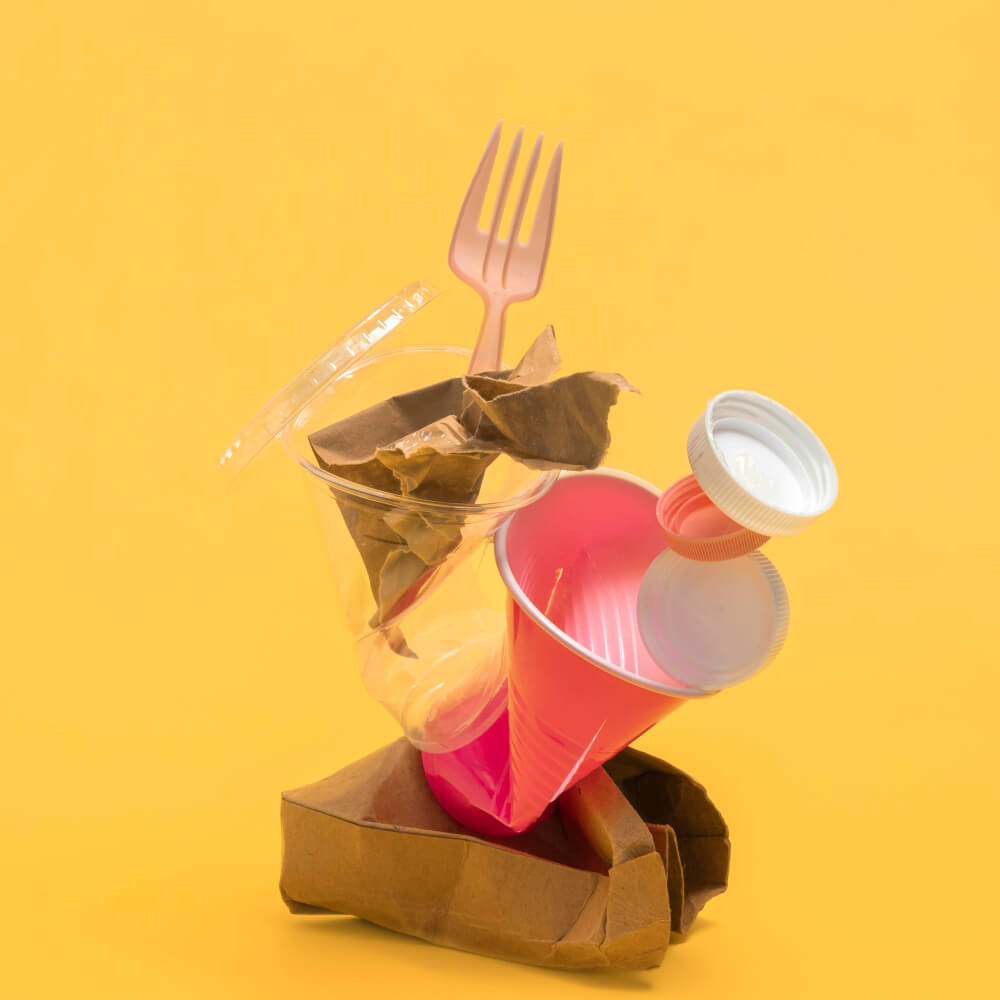
When it comes to Bagasse vs. Plastic, Australian brands are at a crossroads. As sustainability takes centre stage in both consumer preferences and packaging regulations, choosing the right material is no longer just a cost decision — it’s a brand identity choice. The debate between bagasse and plastic reflects the industry’s transition from convenience to conscience.
Understanding Bagasse and Its Rise in Packaging
Bagasse is a natural by-product of sugarcane processing — essentially, the fibrous residue left after juice extraction. Instead of going to waste, this renewable material is transformed into sturdy, compostable packaging such as trays, bowls, and clamshell containers.
What makes bagasse stand out is its eco-friendly lifecycle. It’s:
- Renewable: Made from agricultural waste instead of virgin resources.
- Compostable: Decomposes naturally within 60–90 days under the right conditions.
- Heat-resistant: Suitable for both hot and cold food applications.
- Lightweight yet durable: Perfect for foodservice and takeaway use.
Bagasse packaging is gaining traction across food chains, cafes, and event caterers in Australia who want to project sustainability without compromising quality.
Learn more about Carewell’s packaging range.
Plastic Packaging: The Familiar but Flawed Option
Plastic packaging, especially PET and PP variants, has been a mainstay in the food and logistics industries for decades. It’s durable, moisture-resistant, and cost-effective for mass production.
However, as governments tighten environmental laws and consumers demand accountability, the downsides of plastic are harder to overlook:
- Long decomposition time: Plastic can take hundreds of years to break down.
- Environmental footprint: Derived from fossil fuels, adding to carbon emissions.
- Recycling limitations: Not all plastics are accepted by Australian recycling facilities.
Still, not all plastics are “bad.” Innovations like CPET trays (Crystallised Polyethylene Terephthalate) offer recyclability and performance that align with sustainability goals. The challenge lies in balancing performance with environmental responsibility.
Comparing Bagasse vs. Plastic: Which Wins for Your Brand?
| Criteria | Bagasse | Plastic |
|---|---|---|
| Eco-Friendliness | 100% compostable, renewable | Recyclable (depending on type) |
| Durability | Strong for moderate use | Extremely durable, long shelf life |
| Heat Resistance | Up to 220°C (microwave safe) | Varies by type, some melt easily |
| Cost | Slightly higher upfront | Lower initial cost |
| Brand Perception | Aligns with eco values | Seen as less sustainable |
If your business values green credibility and customer loyalty, bagasse leads the way. If your operations demand long-term storage, moisture resistance, or precision sealing, plastic may still serve specific needs.
The Regulatory Push Toward Sustainable Alternatives
Australia’s move toward phasing out single-use plastics has accelerated the adoption of bagasse and other biodegradable materials. According to the Australian Packaging Covenant Organisation (APCO), brands must ensure 100% recyclable, compostable, or reusable packaging by 2025 — a goal that clearly favors materials like bagasse.
Forward-thinking companies are already adapting their packaging lines to stay ahead of compliance requirements and consumer expectations.
For deeper insights into evolving sustainability standards, visit this external resource.
Blended Solutions: The Future Isn’t One or the Other
The future of packaging isn’t strictly bagasse vs. plastic — it’s a combination of smart materials that meet both functional and ecological needs. Many Australian brands are exploring hybrid packaging models, such as using recyclable plastic lids with compostable bagasse bases or combining renewable pulp with barrier coatings for moisture resistance.
At Carewell Group, we help businesses tailor solutions that balance sustainability, performance, and cost efficiency — from biodegradable trays to custom packaging designs.
Final Thoughts
The shift from plastic to bagasse isn’t just a trend — it’s a strategic pivot toward a cleaner, more responsible packaging future. Whether your brand chooses to go fully compostable or adopts a hybrid path, the key lies in aligning packaging with your sustainability values and customer promise.
Carewell Group Pty Ltd
Unit 27/191 McCredie Road, Smithfield, NSW 2164
Phone: +61 0477 123 699
Email: sales@carewellgroup.com.au | info@carewellgroup.com.au | logistics@carewellgroup.com.au

