





Eco-friendly food packaging in Australia is no longer a niche — it’s the future of the food industry. As sustainability becomes a central business value, Australian manufacturers are reimagining packaging not only as a vessel for food but as a statement of environmental responsibility and innovation.
Driven by consumer awareness, evolving legislation, and rapid material innovation, the packaging landscape is shifting toward greener, smarter, and more circular solutions. The question is no longer if sustainability matters — but how fast brands can adapt.
The Shift Toward Sustainable Packaging
Australian consumers have become increasingly mindful of packaging waste and its environmental footprint. According to industry research, more than 70% of Australians prefer products that come in recyclable or compostable packaging. For manufacturers, this represents both a challenge and an opportunity: reduce plastic dependency without compromising performance or shelf appeal.
Today, eco-friendly packaging is about finding balance — protecting the product, preserving freshness, and reducing the environmental impact. From renewable materials to innovative design, the transition is being embraced across every segment of the food sector.
Top Eco-Friendly Food Packaging Trends Shaping the Future
Let’s look at the leading trends defining eco-friendly food packaging in Australia and how they’re setting new standards for sustainability and innovation.
1. Compostable and Biodegradable Materials
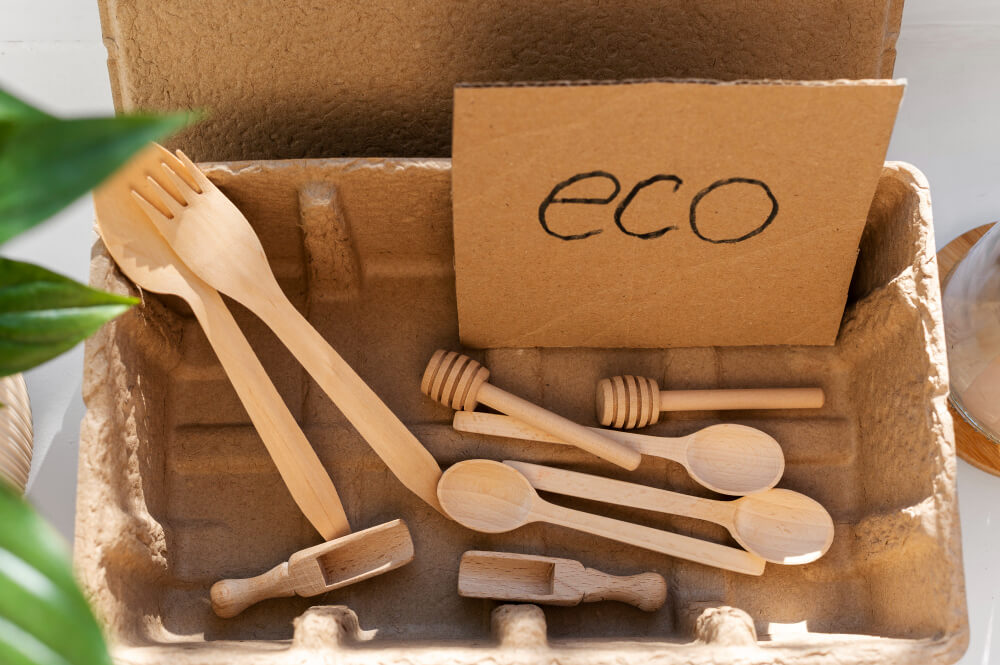
Plant-based plastics, bagasse (sugarcane fiber), and PLA (polylactic acid) are replacing traditional petroleum-based plastics. These materials decompose naturally, leaving no harmful residues — ideal for single-use food trays, cutlery, and wraps.
2. Paper and Cardboard Innovations
Manufacturers are refining paper packaging to enhance durability and moisture resistance, making it suitable for both dry and wet foods. Multi-layered paperboard and recyclable coatings are turning paper into a powerful alternative to plastic.
3. Reusable Packaging Systems
Refillable and returnable packaging solutions are gaining traction, especially among cafes, ready-meal services, and eco-conscious brands. These systems not only reduce waste but also create long-term brand loyalty through repeat engagement.
4. Minimalist & Lightweight Design
Reducing material thickness and simplifying packaging design helps cut production costs, lower carbon emissions, and streamline logistics — all while maintaining visual appeal. Minimalist packaging is quickly becoming a hallmark of sustainable luxury.
5. Smart and Traceable Packaging
Digital innovation meets sustainability. QR codes, NFC tags, and smart labels are helping consumers trace packaging origins, recycling instructions, and sustainability certifications — enhancing transparency and trust.
6. Circular Economy Integration
Manufacturers are designing packaging for circular reuse — meaning materials can be recovered, reprocessed, and reintegrated into production. The shift from a “take-make-dispose” model to a closed-loop system is reshaping how packaging is viewed and valued.
How Australian Manufacturers Are Responding
Australia’s roadmap for sustainable packaging is accelerating, with national targets to make all packaging recyclable, reusable, or compostable by 2025. In response, manufacturers are investing heavily in R&D, switching suppliers, and working with partners like Carewell Group to adopt greener packaging solutions that still meet performance demands.
From replacing polystyrene trays with CPET alternatives to introducing paper mailers in place of plastic satchels, innovation is happening at every level of production. The focus is on using fewer materials, designing smarter shapes, and reducing waste throughout the supply chain.
Benefits of Sustainable Food Packaging
Sustainability in packaging goes beyond environmental impact — it also brings measurable business advantages:
- Enhanced Brand Image – Consumers associate eco-friendly packaging with quality and integrity.
- Regulatory Compliance – Staying ahead of Australian sustainability standards prevents penalties and disruptions.
- Cost Efficiency – Long-term savings come from reduced material waste and optimised logistics.
- Export Readiness – Many international markets now demand proof of sustainable packaging practices.
These benefits make eco-friendly packaging not just a moral choice but a strategic investment.
The Role of Carewell Group in Australia’s Sustainable Packaging Movement
At Carewell Group, sustainability isn’t an afterthought — it’s a design principle. The company helps food manufacturers transition seamlessly to eco-conscious packaging through innovative materials, efficient production, and custom solutions tailored to each product.
Their approach includes:
- Offering recyclable and compostable packaging options
- Designing lightweight, space-efficient solutions to cut carbon emissions
- Assisting businesses with sustainability audits and packaging redesigns
- Ensuring compliance with evolving Australian environmental regulations
Explore Carewell’s full commitment to sustainability here: Carewell Sustainability Initiatives.
What’s Next: Designing for a Sustainable Tomorrow
Looking ahead, eco-friendly food packaging in Australia will continue to evolve around circular design, renewable materials, and digital transparency. The next wave of innovation will be driven by collaboration — between manufacturers, retailers, and packaging specialists — to make sustainability scalable and profitable.
For brands, the message is clear: sustainability isn’t a trend; it’s the new industry benchmark. Businesses that embrace it now will define the future of packaging in Australia.
External Resource (DoFollow): Discover global trends in sustainable food packaging
Carewell Group Pty Ltd
Unit 27/191 Mccredie Road, Smithfield, NSW 2164
+61 0477 123 699
sales@carewellgroup.com.au | info@carewellgroup.com.au | logistics@carewellgroup.com.au

