




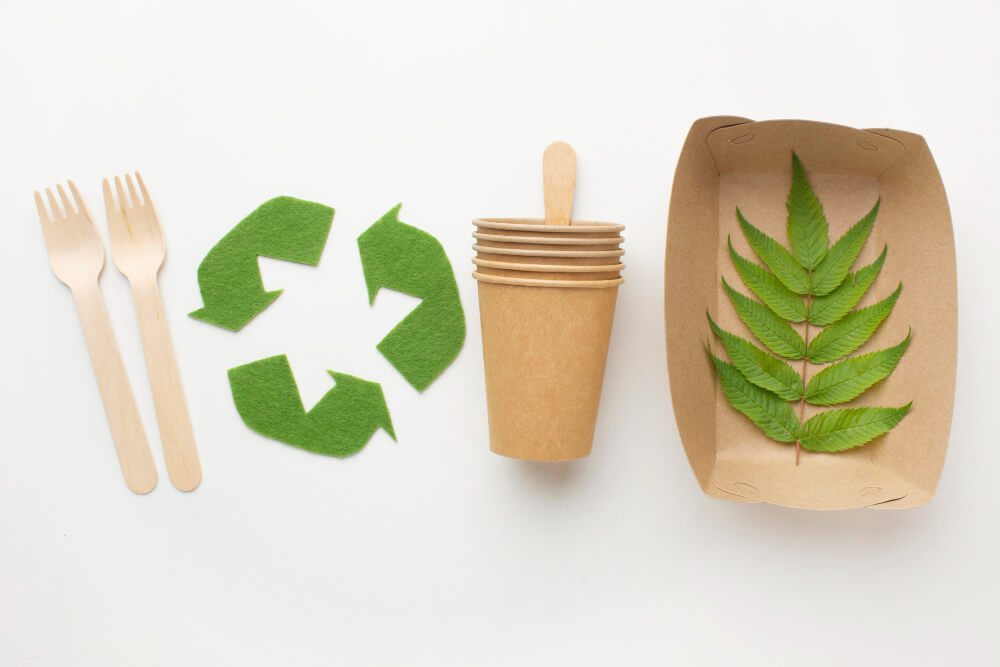
In Australia’s fast-changing packaging landscape, businesses are under increasing pressure to go green. But when it comes to packaging labels like Recyclable, Compostable, or Biodegradable, confusion often clouds the good intentions. Each term carries different environmental impacts, and understanding them can help brands make better choices — both for the planet and their bottom line.
Let’s unpack what these labels really mean and how they influence sustainable business practices in Australia.
What Does “Recyclable” Packaging Mean?
When packaging is recyclable, it means the material can be collected, processed, and remade into a new product. Common recyclable materials include cardboard, glass, aluminium, and certain plastics like PET and HDPE.
For example, CPET trays and corrugated cardboard boxes can be placed in most Australian recycling bins — provided they’re clean and free of food residue.
Benefits of recyclable packaging:
- Keeps materials in the circular economy longer.
- Reduces landfill waste.
- Conserves raw materials and energy.
However, recyclability depends heavily on local infrastructure. Not all councils accept the same materials, and some items marketed as recyclable may not be processed locally. Before choosing packaging, it’s smart to confirm whether it’s truly recyclable within Australia’s waste systems.
For more insights into sustainable packaging initiatives, explore Carewell’s sustainability hub.
What Is “Compostable” Packaging?
Compostable packaging goes a step beyond recyclability — it’s designed to break down completely into nutrient-rich compost under specific conditions. This can happen in either home composting systems or industrial composting facilities.
Common compostable materials include:
- Bagasse (a by-product of sugarcane).
- PLA (Polylactic Acid) made from corn starch.
- Paper-based trays or wraps with plant-based coatings.
Advantages of compostable packaging:
- Returns organic matter to the soil.
- Breaks down faster than plastic.
- Ideal for food service packaging that’s contaminated with food waste.
That said, compostable packaging requires the right environment — oxygen, moisture, and heat — to decompose effectively. Composting a PLA cup in a landfill, for instance, won’t have the same environmental benefit as composting it in an industrial facility.
What About “Biodegradable” Packaging?
The term biodegradable simply means that a material will eventually break down into natural elements like water, carbon dioxide, and biomass with the help of microorganisms. The issue? There’s no specific timeframe for this process.
While all compostable materials are biodegradable, not all biodegradable products are compostable. Some biodegradable plastics, for example, can take years to decompose, especially in oxygen-poor landfills.
Things to watch out for:
- Some “biodegradable plastics” contain additives that only partially break down.
- Misleading labeling can give the illusion of eco-friendliness (“greenwashing”).
- Always check for certifications such as AS 4736 (industrial composting) and AS 5810 (home composting) in Australia.
How to Choose the Right Option for Your Business
Selecting between recyclable, compostable, or biodegradable packaging depends on several key factors:
- Your Product Type – Wet or oily foods might suit compostable bagasse trays, while dry goods often work best in recyclable cartons.
- End-of-Life Pathways – If your customers have access to composting facilities, compostable packaging is ideal. If not, recyclable packaging might have greater impact.
- Brand Positioning – Sustainability messaging is powerful. Consumers increasingly prefer brands that are transparent and aligned with eco-conscious practices.
- Regulatory Compliance – Australia’s 2025 National Packaging Targets require packaging to be 100% reusable, recyclable, or compostable — making this an urgent priority.
Why It Matters for Australian Businesses
Choosing the right sustainable packaging isn’t just a marketing move — it’s a strategic necessity. Consumers, retailers, and regulators are all watching how brands adapt to environmental responsibilities.
By using certified materials, clear labelling, and transparent communication, brands can:
- Build consumer trust.
- Reduce operational waste.
- Strengthen compliance with sustainability targets.
For in-depth guidance on sustainable packaging certifications and global trends, check out this external resource.
The Future of Packaging Labels in Australia
Expect to see tighter labelling regulations and greater accountability in 2025 and beyond. Consumers are demanding clarity, and the Australian Packaging Covenant Organisation (APCO) continues to refine guidelines for accurate sustainability claims.
Brands that lead this shift — with packaging that’s easy to dispose of responsibly — will stand out as trustworthy, innovative, and future-ready.
At Carewell Group, we help Australian businesses design and source eco-friendly packaging that aligns with sustainability standards without sacrificing functionality or aesthetics.
Final Thoughts
Understanding the difference between recyclable, compostable, or biodegradable packaging is more than a sustainability checkbox — it’s about building smarter, circular systems that benefit both people and the planet. The packaging you choose today defines how your brand is remembered tomorrow.
Carewell Group Pty Ltd
Unit 27/191 McCredie Road, Smithfield, NSW 2164
Phone: +61 0477 123 699
Email: sales@carewellgroup.com.au | info@carewellgroup.com.au | logistics@carewellgroup.com.au
Smart Tip: Avoid greenwashing. Always verify sustainability claims with Australian certification logos — your customers will notice the difference.

