





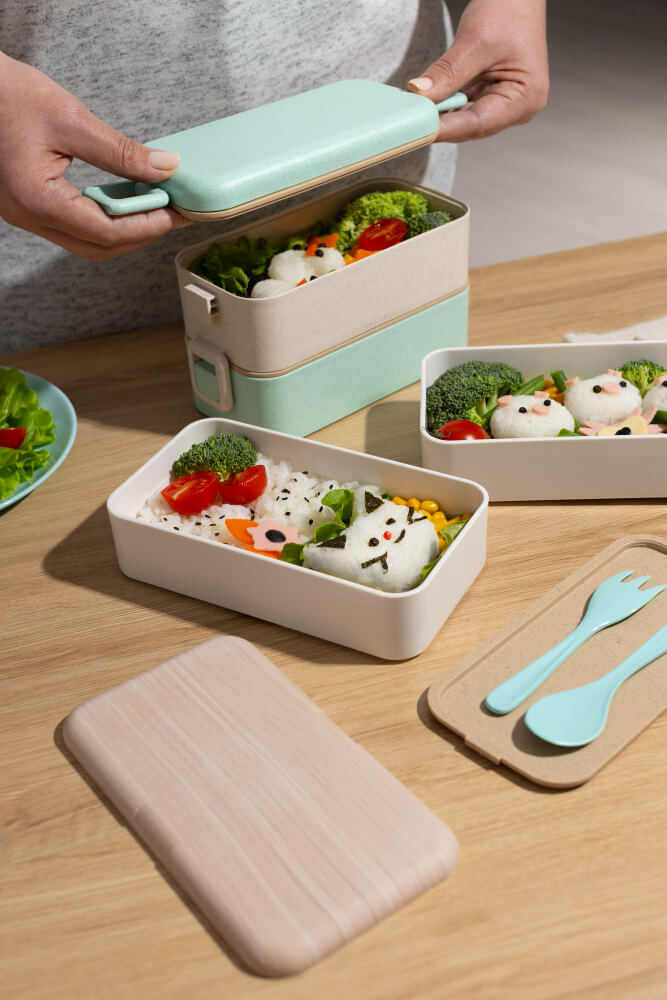
Compartment lunch boxes are becoming essential for food-service, catering and ready-meal brands. They offer structured meal presentation and align with sustainability demands. At Carewell Group, we recognise how packaging solutions can elevate your brand, and compartment lunch boxes deliver both function and form.
Why Compartment Lunch Boxes Matter
When you serve a multi-component meal—say a main dish, salad or sides, perhaps a dessert you don’t want items mixing. Compartment lunch boxes solve this. They maintain texture, flavours, visual appeal and portion control. Sources describe how separated compartments improve organisation, reduce mixing of sauces and enhance presentation. Easy Green Eco Packaging Co., Ltd.+2scandibugs.co.uk+2
Beyond the meal itself, packaging tells a story about your brand. Choosing smart, sustainable packaging shows your commitment to quality and environment.
Key Benefits of Compartment Lunch Boxes
Here are several advantages you can offer clients (and talk about in your content/sales) when incorporating compartment lunch boxes:
- Better meal presentation & customer experience
With dedicated sections for each food element, meals arrive looking as intended—not jumbled. That improves perceived value. - Health, portion-control & variety
Compartments help distribute food groups (proteins, veggies, carbs, dessert) which supports a balanced meal concept. MyneeMoe+1
For institutional clients (schools, workplaces) that can be a selling point. - Sustainability credentials
Many modern lunch-box solutions use eco-friendly materials such as reusable stainless steel, bamboo, silicone or compostable fibre. WF Plastic Pty Ltd+1
For a food-business client, offering compartment lunch boxes made from sustainable material aligns with their ESG story. - Operational convenience
One box with multiple compartments means less packaging, simpler packing and less waste. This helps both logistics and cost control. Easy Green Eco Packaging Co., Ltd.
Material & Design Considerations
Since you at Carewell deal with custom packaging, here are the specific factors to keep in mind when specifying compartment lunch boxes for clients:
- Material choice
- Reusable options: stainless steel, glass, durable silicone. These are higher upfront cost but long-term value and sustainability. shopnaturally.com.au+1
- Disposable/compostable options: Bagasse (sugar-cane pulp), moulded fibre, compostable plastic blend. These support single-use but more sustainable models. WF Plastic Pty Ltd+1
Choose material aligned to client use-case — take-away vs dine-in, chilled vs hot, reuse vs one-time.
- Compartment layout
2-compartment, 3-compartment, 4-or-more. The number and size of compartments should match the food meal design (main, two sides, sauce). Good fit means less overpacking and better client satisfaction. - Food safety & transport performance
The chosen box must handle the food’s temperature range (cold, ambient, hot), maintain integrity in transit, be leak-resistant (especially for sauces). Also, cleanability (for reusable) or correct disposal (for single-use) matters. - End-of-life & sustainability communication
If choosing compostable/biodegradable, ensure clients know how to dispose (“industrial composting available?”). Otherwise you risk green-washing perception.
On the sustainable side, Carewell already offers custom compostable & biodegradable containers. Carewell Group Pty Ltd - Branding & customer perception
Packaging is a brand touchpoint. Custom print, quality lid, luxe finish = premium brand feel. Your internal expertise (Carewell’s custom solutions) positions well here.
Applications for Your Clients
Here are how clients of yours might deploy compartment lunch boxes—and thereby you add value via your packaging and logistics offering:
- Meal-deliveries / subscription meals
Clients sending ready meals to homes want compartments (main, sides) packaged securely, with materials that align with eco-goals. - Cafés / grab-and-go retail
For retail food stores offering multi‐component meals, compartment lunch boxes make presentation simple while enabling quick packing. - Corporate catering / events
A buffet or boxed lunch scenario—compartments help keep salad separate from dressings, fruit away from hot items—enhancing quality. - Schools / institutional food service
Portion control + separate sections can support dietary programs. Packaging that’s reusable fits budget constraints and sustainability targets.
How Carewell Group Can Support This Solution
Given your role and platform, here’s how to integrate compartment lunch boxes into your offering effectively:
- Feature a dedicated product category/page for “Compartment Lunch Boxes” (or similar) on the Carewell site. Link to custom containers/food packaging service. For example, link from this blog to your product pages like your “Custom Food Packaging” section. Carewell Group Pty Ltd
- Use this blog (or variations) to drive search traffic around “compartment lunch boxes” and similar keywords.
- In client proposals, present three tiers: basic plastic reusable compartment boxes, premium stainless steel reusable boxes, and single-use compostable fibre compartment boxes. Provide pros/cons.
- Offer branding and customisation: print logos, brand colours, lid types, etc — reinforcing your “custom solutions” promise.
- Highlight sustainability story: show how switching to reusable or compostable compartment lunch boxes reduces waste and supports brand positioning.
Potential Challenges – With Ways to Mitigate
Just to keep it real, there are some bumps you may hit when offering compartment lunch boxes — and you’ll want to prep for them:
- Material cost / adoption resistance
Premium materials cost more. To counter: show lifecycle cost and brand value (long term reuse, fewer replacements). - End-of-life confusion
If a client uses compostable single-use boxes but the disposal infrastructure isn’t available locally, the benefit is lost. Mitigate by educating client and specifying appropriate waste stream. - Design complexity / logistics
Custom shapes, compartments, lids can complicate production. You’ll need good ordering lead-times and quality control. - Cleaning and durability (for reusable)
If client chooses reusable stainless steel/silicone boxes but workflows don’t include good cleaning, hygiene and durability suffer. Suggest clear usage instructions. - Leak-risk / transport integrity
Sauce compartments or moist sides could leak into other compartments. Mitigate by specifying lids/seals and testing under real conditions.
Key Takeaways
- Compartment lunch boxes are a packaging solution that brings multiple benefits: improved presentation, portion control, operational efficiency and sustainability.
- The material + design choice matters a lot. Align with client’s use case (reuse vs single-use), food type, brand story.
- Your company, Carewell Group, is well positioned to deliver this offering because of your custom packaging capabilities, sustainability credentials and logistic support.
- By featuring compartment lunch boxes in your portfolio and using content like this blog for visibility,.
- Stay mindful of challenges (cost, disposal infrastructure, design complexity) — but with your experience you’re well equipped to manage them.
Request a Quote
Location: Carewell Group Pty Ltd, Unit 27/191 McCredie Road, Smithfield, NSW 2164
Phone: +61 0477 123 699
Email: sales@carewellgroup.com.au | info@carewellgroup.com.au | logistics@carewellgroup.com.au