




While businesses focus on flashy sustainability initiatives, they often overlook a tiny but mighty contributor to their ecological footprint—the packaging tape sealing thousands of shipments annually.
Selecting truly eco-friendly packaging tape involves carefully assessing renewable materials, biodegradable adhesives, and legitimate environmental certifications. When done thoughtfully, this seemingly minor switch can dramatically reduce waste while maintaining or even enhancing your packaging performance.
In this article we will see what are the best ways to choose the best eco-friendly packaging tape for your business.
Top Eco-Friendly Packaging Tape Types Explained
As sustainability moves from trend to expectation, businesses are rethinking how they seal their packages. Eco-friendly packaging tapes provide a balance between durability and environmental responsibility—without compromising performance. Here’s a breakdown of the leading types of eco-friendly packaging tape used across industries today.
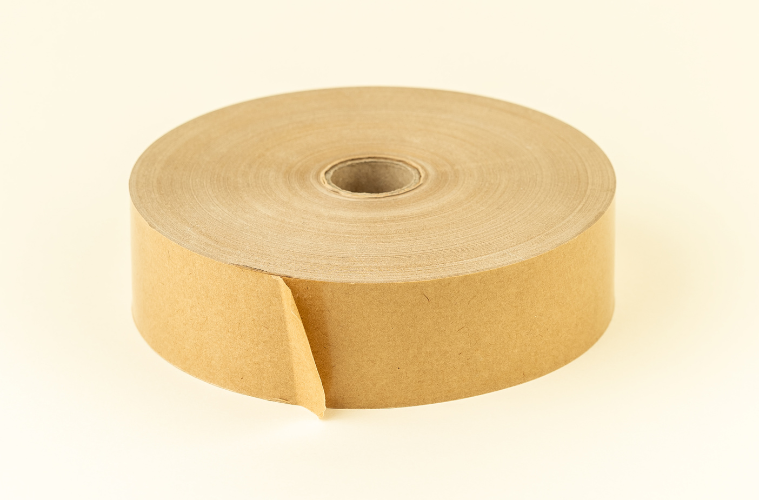
1. Kraft Paper Tape
The go-to choice for eco-conscious operations, kraft paper tape combines strength, recyclability, and a natural aesthetic. It uses paper backing with either a water-activated or solvent-free adhesive, creating a secure, tamper-evident seal that blends seamlessly with cardboard boxes.
- Best for: E-commerce, logistics, food and industrial packaging.
- Key advantages: Fully recyclable, strong adhesion, printable for branding.
2. Plant-Based Adhesive Tape
Made from renewable resources like starch, natural rubber, or soybean oil, these tapes replace synthetic adhesives with biodegradable alternatives. They’re ideal for companies wanting to maintain eco integrity down to the smallest packaging detail.
- Best for: Sustainable brands, organic products, boutique retailers.
- Key advantages: Compostable adhesive layer, reduced chemical use, compatible with recyclable materials.
3. Biodegradable Plastic Tape
A transitional step between traditional and sustainable options, biodegradable plastic tape uses bio-based polymers (like PLA) that break down more quickly than petroleum plastics under industrial composting conditions.
- Best for: Businesses needing the flexibility and transparency of plastic tape but seeking greener options.
- Key advantages: Enhanced degradation rate, moisture resistance, similar tensile strength to standard PP tape.
Eco-Friendly Tape Comparison Chart
| Tape Type | Recyclability | Adhesive Strength | Cost Level | Environmental Impact |
|---|---|---|---|---|
| Kraft Paper Tape | ♻️ 100% Recyclable | ★★★★★ (High) | $$ | Low – made from renewable paper, biodegradable. |
| Plant-Based Adhesive Tape | ♻️ Recyclable & Compostable | ★★★★☆ (Medium-High) | $$$ | Very Low – natural adhesive sources, minimal toxins. |
| Biodegradable Plastic Tape | ♻️ Partially Recyclable | ★★★★☆ (Medium-High) | $$ | Moderate – breaks down faster than standard plastic but still requires composting. |
Choosing the Right Option
Each sustainable tape type offers a unique balance of strength, appearance, and eco performance.
- Kraft paper tape suits most commercial and industrial needs.
- Plant-based adhesive tape works best for premium or eco-branded products.
- Biodegradable plastic tape provides a middle ground for brands transitioning away from petroleum-based materials.
Adopting these tapes not only reduces waste but also sends a clear message: your business values both quality and environmental integrity.
For a closer look at sustainable packaging solutions, explore Carewell Group’s tape range and our insights on eco-friendly packaging in Australia.
For global sustainability benchmarks, visit this external resource on eco packaging innovations.
Understanding Packaging Tape Options
Traditional packaging tapes have long been dominated by plastic-based materials that contribute to environmental pollution. As businesses increasingly prioritise sustainability, the market has responded with innovative alternatives that maintain reliability while reducing ecological impact. These sustainable options include paper-based tapes, plant-based adhesives, and even biodegradable plastics designed to break down more efficiently than conventional tapes.
When exploring eco-friendly packaging tape options, consider the full lifecycle of the product. This includes not only the materials used but also manufacturing processes, transportation impacts, and end-of-life disposal options. Many sustainable packaging companies now offer transparent information about their environmental practices, making it easier to make informed choices.
Material Considerations for Sustainable Packaging
The base material of your packaging tape significantly impacts its environmental footprint. Paper-based tapes, often reinforced with natural fibers, offer excellent biodegradability while providing sufficient strength for many shipping needs. Water-activated paper tapes create strong bonds without requiring plastic components, making them fully recyclable alongside cardboard boxes.
Plant-based adhesive tapes use materials derived from renewable resources like corn, potato starch, or natural rubber. These alternatives reduce fossil fuel dependence while offering comparable performance to traditional petroleum-based adhesives. According to recent industry research, businesses that switched to plant-based packaging materials reduced their packaging-related carbon emissions by an average of 37% within the first year.
Biodegradable plastic tapes represent another growing category. While not as environmentally friendly as paper options, they break down more quickly than conventional plastic tapes when exposed to specific conditions, making them a viable stepping stone for businesses transitioning toward greener practices.
Evaluating Performance Requirements
While sustainability is crucial, your packaging tape must still perform its primary function effectively. Consider factors such as:
- Tensile strength and durability during transit
- Adhesion to different surfaces and packaging materials
- Temperature and humidity resistance
- Ease of application (manual vs. machine application)
- Storage considerations and shelf life
The best eco-friendly packaging solution balances environmental benefits with practical performance needs. For heavy products or shipments facing challenging transport conditions, you may need stronger tapes with reinforced elements. Lighter products may allow for more minimalist, fully biodegradable options.
Cost Considerations and Long-Term Value
Initially, sustainable packaging tape may carry a slightly higher price point than conventional alternatives. However, when evaluating costs, consider the complete picture that includes:
- Customer perception and brand value improvements
- Potential for reduced packaging waste disposal costs
- Alignment with sustainability goals and reporting
- Possible tax incentives or compliance with upcoming regulations
Many businesses find that the modest premium for eco-friendly packaging solutions pays dividends through enhanced brand reputation and customer loyalty. As production scales increase, the cost difference between sustainable and conventional options continues to narrow, making the transition increasingly feasible for businesses of all sizes.
Supplier Evaluation and Certification
When sourcing sustainable packaging tape, look beyond marketing claims to verify environmental credentials through recognised certifications:
- Strong ESG Framework: The company operates on a robust Environmental, Social, and Governance (ESG) foundation.
- Client-Centric Approach: ESG principles guide how the company supports clients, SPVs, family offices, and funds.
- Comprehensive ESG Policies: The company has clear, well-defined policies addressing all key ESG factors.
- Commitment to Societal Goals: The business values aligns its operations with broader societal and sustainability objectives.
- Responsiveness to Stakeholders: ESG initiatives are designed to meet the evolving needs of both clients and the company.
These third-party verifications help ensure that products truly deliver on their environmental promises. Additionally, evaluate the sustainability practices of the supplier company itself—their manufacturing processes, energy usage, transportation methods, and corporate social responsibility commitments often reveal their genuine dedication to environmental stewardship.
Integration with Existing Packaging Systems
Consider how new packaging tape options will integrate with your current packaging processes. Some sustainable tapes may require different dispensers or application techniques. Water-activated paper tapes, for instance, need specific dispensing equipment but often create stronger seals with less material. Evaluate whether your team needs training or if equipment modifications are necessary for successful implementation.
Choosing the right eco-friendly packaging tape requires balancing biodegradable materials, adhesive types, and supplier sustainability practices with your specific business requirements. By carefully evaluating these factors, you can select packaging solutions that secure your shipments while demonstrating your commitment to environmental responsibility.
Take Your Packaging to the Next Level with Carewell Group
Ready to transform your packaging strategy with sustainable solutions? Carewell Group offers comprehensive logistics and packaging solutions tailored to your specific business needs.
Our expert team can help you select the perfect eco-friendly packaging tape and other sustainable materials that align with your environmental goals without compromising performance.
Contact us today to discuss how we can support your business’s journey toward more sustainable packaging practices while enhancing your operational efficiency.