





AI Overview
Choosing the right packaging is a crucial decision for Australian food businesses. Disposable vs reusable food packaging isn’t just about convenience—it impacts costs, sustainability, and customer perception. From takeaway containers to catering supplies, selecting the right option can help reduce waste, improve brand image, and streamline operations.
Understanding Disposable Food Packaging
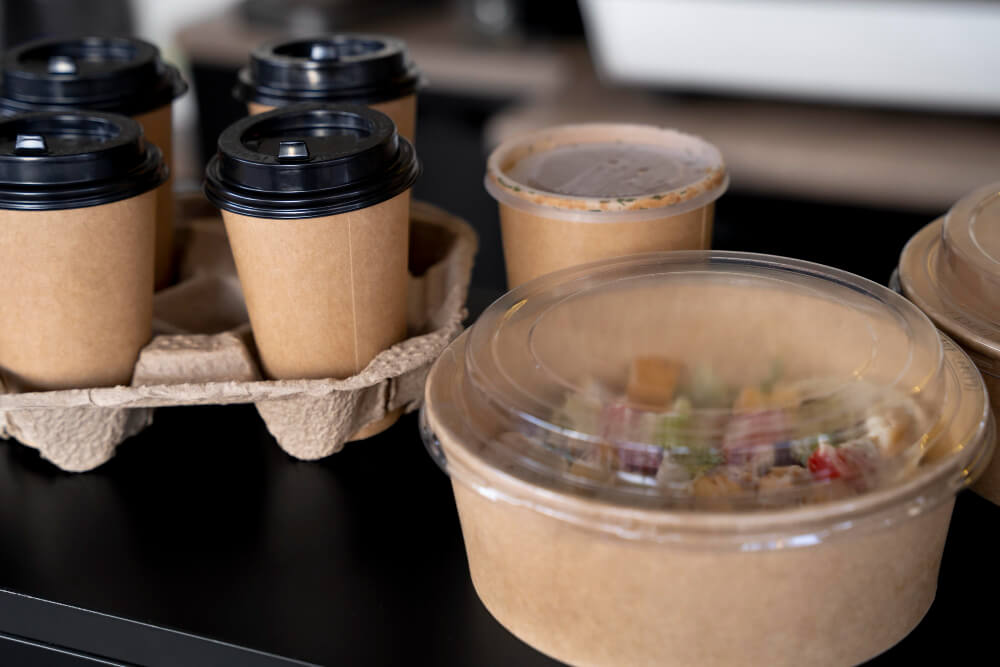
Disposable food packaging includes single-use items such as:
- Takeaway containers and trays
- Disposable cutlery and cups
- Paper wraps and bags
Advantages
- Convenience – Perfect for fast-food, takeaway, and delivery operations.
- Hygiene – Single-use reduces contamination risks.
- Flexibility – Wide range of materials and sizes.
Disadvantages
- Environmental impact – Creates more waste food and packaging waste if not properly recycled.
- Cost over time – Repeated purchases can add up.
Understanding Reusable Food Packaging
Reusable packaging includes containers, jars, and boxes designed to be cleaned and used multiple times.
Advantages
- Sustainability – Reduces plastic and packaging waste, aligning with Australia recycling initiatives.
- Cost-efficiency – Long-term savings on packaging purchases.
- Brand differentiation – Premium reusable packaging enhances customer perception.
Disadvantages
- Initial investment – Higher upfront cost for durable containers.
- Operational requirements – Needs cleaning and tracking systems.
Key Considerations for Australian Businesses
1. Type of Food Service
- Fast-food outlets and takeaway often benefit from disposable packaging for speed and hygiene.
- Cafés, meal kits, or high-end restaurants may choose reusable packaging for premium customer experiences.
2. Sustainability Goals
- Reusable packaging helps businesses demonstrate environmental responsibility.
- Disposable options can be sustainable if made from compostable or recyclable materials like kraft boxes or PLA plastics.
3. Cost Analysis
- Evaluate long-term savings versus upfront investment.
- Factor in cleaning, storage, and logistics for reusable options.
Popular Packaging Options in Australia
- Disposable: Takeaway boxes, PP food packaging, APET trays, kraft containers.
- Reusable: Durable plastic, stainless steel, glass jars, or insulated containers for delivery and meal kits.
- Eco-friendly hybrids: Compostable disposable trays, biodegradable wraps, and recyclable paper packaging.
Check out Carewell Group’s sustainable food packaging solutions
Why Carewell Group Helps Businesses Choose Right
Carewell Group supplies both disposable and reusable food packaging solutions tailored for Australian businesses. From takeaway containers to premium meal-kit packaging, we ensure your choice aligns with brand, sustainability, and operational needs.
- Location: Carewell Group Pty Ltd, Unit 27/191, McCredie Road, Smithfield, NSW 2164
- Phone: +61 0477 123 699
- Email: sales@carewellgroup.com.au | info@carewellgroup.com.au | logistics@carewellgroup.com.au
Explore our food packaging range
Conclusion
The choice between disposable vs reusable food packaging depends on your business type, sustainability goals, and operational needs. Disposable options are convenient for high-volume, fast-paced services, while reusable packaging offers long-term cost savings and a premium brand experience. Many Australian businesses are adopting eco-friendly disposable or hybrid solutions to balance convenience with environmental responsibility.
Selecting the right food packaging is more than a logistics decision—it’s a statement about your brand and your commitment to sustainability.