




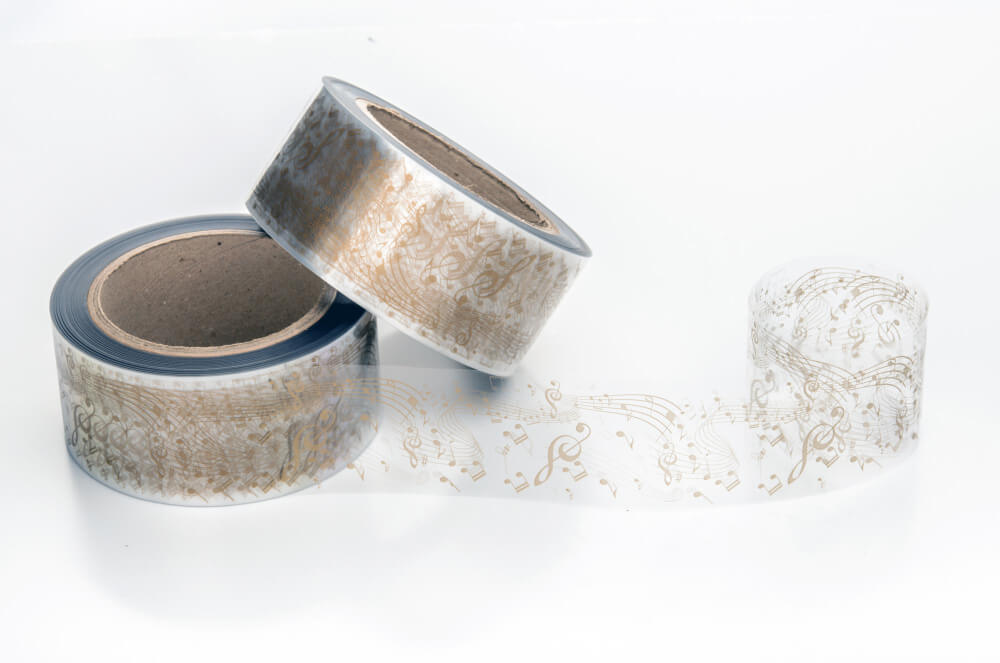
Water activated tape (WAT), also called gummed paper tape, is a kraft paper tape with a dry starch-based adhesive that only becomes sticky when it is wet. A dispenser measures a strip, wets it, and cuts it. The strip bonds into the surface of the carton as the adhesive and the fibres knit together, so one clean strip usually seals a box that would take two or three passes of plastic tape.
For an Australian business shipping cartons, the appeal is three things: a tamper-evident seal, a carton that goes in the kerbside paper recycling without the tape being stripped off, and a faster, more consistent pack bench once the dispenser is set up. The trade-off is the upfront cost of a dispenser and a change to how the pack station works.
This guide covers how WAT actually performs, the reinforced versus non-reinforced decision, the recyclability question in plain terms, what switching costs and involves, and where it is the wrong choice.
Key points
- WAT bonds into the carton fibres, so it resists peeling and shows tampering. Plastic tape sits on the surface.
- Reinforced WAT has fibreglass threads and holds heavy or double-walled cartons. Non-reinforced suits light single-wall boxes.
- WAT is made of paper and starch, so a taped carton can go straight into kerbside paper and cardboard recycling in most of Australia.
- You need a dispenser. Manual units are inexpensive; electric units speed up a high-volume bench.
- It is the wrong choice for non-paper surfaces, poly mailers, freezing or wet environments, and very low pack volumes.
Where WAT came from, and why it is back
Gummed paper tape is old. It was the standard carton seal from the early 1900s until pressure-sensitive plastic tape (the clear or brown tape on a hand gun) took over from the 1950s because it needed no water and no special dispenser.
WAT came back for two reasons. First, e-commerce made carton security and the unboxing experience matter, and a tamper-evident paper seal does both. Second, kerbside recycling and packaging rules pushed brands to make the whole carton recyclable without asking the customer to peel plastic off first. In Australia, the Australian Packaging Covenant Organisation (APCO) and the 2025 national packaging targets moved the market toward recyclable, mono-material packaging, and a paper tape on a paper box fits that.
Where it is heading: more Australian fulfilment operations are pairing WAT with right-sized cartons and paper void fill so the entire parcel is one material stream. Automated case sealers that run WAT are also becoming common on higher-volume lines.
How it performs, honestly
The seal. On a clean, dry kraft carton, a wetted strip of WAT bonds into the top fibre layer within seconds and reaches full strength as it dries. Trying to lift it tears the carton surface, which is the tamper-evident property. Plastic tape can often be peeled and re-laid without a trace.
Coverage. Because the bond is into the board, a single H-tape pattern (one strip along the centre seam, one across each end) is usually enough. With plastic tape, packers often add extra passes for security, which uses more tape and more time.
Speed, once set up. A dispenser pre-measures and wets the strip, so the packer grabs one ready piece instead of pulling, sticking, and cutting plastic tape by hand. On a busy bench this is faster and far more consistent. Before the dispenser is dialled in, it is slower.
Weaknesses.
- It needs a porous, dry surface. It will not bond to poly mailers, laminated or heavily waxed boxes, or a carton that is damp or dusty.
- Very cold or very wet conditions interfere with the starch adhesive.
- The adhesive activates with water, so humidity and spills at the pack bench need managing.
- Below a certain daily carton count, the dispenser does not pay back and hand-applied plastic tape is simpler.
Reinforced vs non-reinforced
Non-reinforced (plain gummed paper tape). Just kraft paper and starch adhesive. Good for light, single-wall cartons and mailers up to a few kilograms. Cheapest per metre. Recyclable as paper.
Reinforced (fibreglass-threaded). Layers of kraft with a cross-pattern of fibreglass or synthetic threads laminated in. It resists splitting and holds double-wall cartons, heavier goods, and long transit. It is still accepted in most Australian kerbside paper recycling, though the threads are the reason a few councils treat it differently, so check the Australasian Recycling Label (ARL) guidance for your product.
How to choose. Match it to the carton, not the tape budget. Single-wall box under about 5 kg: non-reinforced is fine. Double-wall, heavy, palletised, or export: reinforced. If in doubt, run both on a sample of your real cartons and try to pull the seal apart.
Is water activated tape recyclable? The plain answer
Yes, in the normal case. WAT is paper and a plant-starch adhesive, so a kraft carton sealed with it can go straight into your kerbside paper and cardboard bin without removing the tape. That is its main advantage over plastic tape, which should be stripped off first because it contaminates the paper stream.
Two caveats:
- Reinforced WAT contains fibreglass threads. Most Australian material recovery facilities still accept it on cardboard, but a small number ask for it to be separated. Follow the ARL and your local council guidance.
- Custom-printed WAT is fine to recycle if the print uses water-based inks, which is standard for reputable suppliers.
For a genuinely mono-material parcel, pair WAT with a kraft carton and paper void fill, and skip plastic labels where you can.
What switching involves, and what it costs
- Pick the dispenser. A manual pull-and-tear dispenser is inexpensive and fine for low to moderate volume. An electric dispenser with a keypad (set a strip length, press once) suits a bench sealing more than roughly 50 to 100 cartons a day. Automated case sealers exist for high-volume lines.
- Choose the tape. Width (commonly 70 mm), grade (reinforced or not), and whether you want it plain kraft, white, or custom-printed with your brand.
- Set up the bench. Water reservoir topped up, a drip tray, and the dispenser at a height the packer can work without reaching. Allow a short training period.
- Run a trial. A week on your real cartons and real goods. Check seal strength, packer speed once they are used to it, and tape usage per carton versus your old plastic tape.
- Cost picture. WAT costs more per metre than plastic tape, but you use less of it per carton because one strip seals. Add the one-off dispenser. Most operations that ship paper cartons in volume find the total landed cost is close to neutral once tape usage and pack speed are counted, and they gain the recyclability and tamper-evidence.
What to expect in the first month
- Week 1: packers are slower and there is some mess while the water level and technique settle. This is normal.
- Weeks 2 to 3: speed climbs past the old hand-taped rate, tape usage per carton drops, and the seals are visibly more consistent.
- Week 4 onward: it is the default. The main ongoing job is keeping the reservoir clean and topped up.
When WAT is the wrong choice
- You ship mostly poly mailers or satchels, not cartons. WAT will not bond to them. Use a self-seal mailer or a printed polypropylene tape.
- Your cartons are laminated, waxed, or coated, or they travel through freezing or wet conditions.
- You pack a handful of parcels a day. The dispenser will not pay back; a hand roll of paper or BOPP tape is simpler.
- You need a seal on non-paper surfaces like plastic tubs or metal.
How Carewell Group fits: one partner from design to dispatch
Carewell Group is an Australian packaging supplier, not a reseller of one product. We design custom packaging around your product, add your branding and print, and supply the whole dispatch line from one place, so switching to water activated tape is not another project for your team to run.
- Reinforced and non-reinforced water activated tape, plain or custom-printed with your logo in water-based inks. See Reinforced Water Activated Kraft Tape and our custom water activated tape service.
- Dispensers to match your volume, from manual to electric.
- Matching mono-material packaging: kraft paper mailers, honeycomb paper mailers as a bubble-wrap alternative, and kraft cartons, so the whole parcel recycles together.
- Custom design and engineering: if your product needs a specific carton, insert, or seal, we build it to fit rather than making you adapt to stock sizes.
- Browse the full packaging tape range the water activated tape products, including water activated kraft paper tape and biodegradable recycled reinforced tape.
Carewell operates from NSW with warehousing in Smithfield, Matraville and Padstow, works with clients across grocery and retail, e-commerce, food and beverage, and industrial and manufacturing, and is certified to ISO 9001:2015, ISO 14001:2015 and ISO 45001:2018, and an APCO member.
Trialling WAT on your line? Request a quote and samples or call +61 (02) 8760 1491.
Frequently asked questions
Do I need a special dispenser for water activated tape?
Yes. The adhesive only activates with water, so a dispenser wets and cuts each strip. Manual dispensers are inexpensive; electric ones speed up a high-volume bench.
Is water activated tape stronger than plastic packing tape?
For sealing paper cartons, yes in practice. It bonds into the board rather than sitting on top, so one strip usually holds where plastic tape needs two or three passes. On non-paper surfaces it does not work at all.
Can I recycle a box sealed with water activated tape?
In the normal case, yes, straight into kerbside paper and cardboard, with no need to remove the tape. Reinforced WAT contains fibreglass threads, so check the Australasian Recycling Label and your local council for that grade.
Reinforced or non-reinforced, which do I need?
Non-reinforced for light single-wall cartons and mailers. Reinforced for double-wall, heavy, palletised or export cartons.
Can water activated tape be printed with our branding?
Yes. It takes custom print well, usually in water-based inks so the carton stays recyclable.
Sources
- Australian Packaging Covenant Organisation (APCO), 2025 National Packaging Targets and mono-material guidance: apco.org.au
- Australasian Recycling Label (ARL) program: recyclingnearyou.com.au
- Recyclability guidance for paper-based packaging, APCO
Written by Alif Vasaya, digital and content strategy, Carewell Group. Carewell Group is an Australian packaging, food packaging, tape, industrial safety and 3PL supplier. Last updated 9 September 2026.