




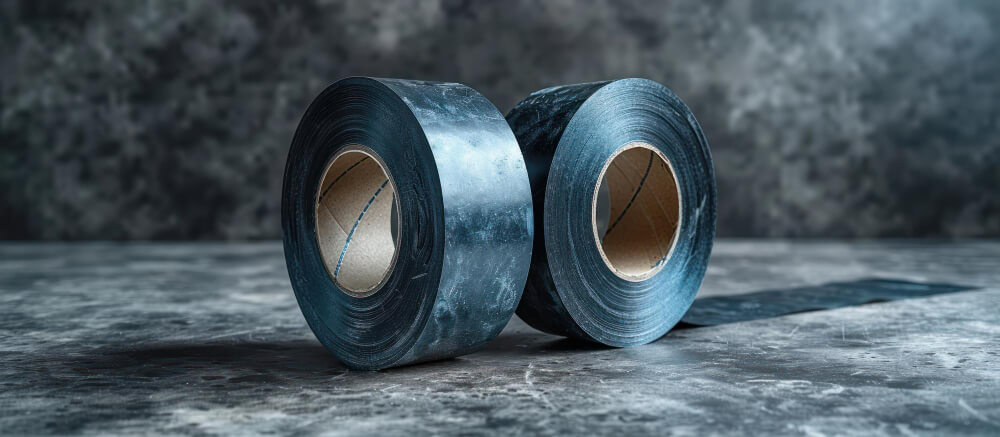
Custom printed water activated tape puts your brand across the seam of every carton in a colour and design you control, on a tape that still seals hard and still recycles with the box. It is one of the cheaper ways to make a plain shipper feel considered.
But “get our logo on the tape” hides half a dozen real decisions: flexographic or digital print, kraft or white stock, one spot colour or full ink coverage, reinforced or not, and a minimum order that ties up cash in tape. This guide walks each one, with the trade-offs, so you order the right thing once. If you are still deciding on water activated tape in general, start with the water activated tape guide; when you are ready to brief a job, our custom water activated tape service handles artwork to delivery.
Key points
- Flexographic print is cheapest for simple 1 to 2 colour logos at volume. Digital print gives unlimited colours and photographic detail with a lower minimum, at a higher per-metre rate.
- White tape prints sharper and brighter; kraft tape looks more natural and understated. Same seal either way.
- Expect a minimum order in the range of a few to several cartons of tape, a one-off plate or setup fee for flexo, and a lead time of about 2 to 3 weeks from approved artwork.
- Keep it recyclable by printing with water-based or soy-based inks and avoiding heavy laminate top-coats.
- Branded tape pays off for direct-to-consumer and premium retail. For pure B2B pallet freight it is usually spend without return.
Flexographic vs digital: the print method
Flexographic (flexo). An engraved plate or cylinder lays ink onto the tape. Best for a fixed logo in one or two spot colours, printed the same way on every roll for a long time. Low per-metre cost once you are past the setup. The limits: usually one or two colours, no photographic detail, and a plate fee and lead time for every design change. Setup and plate costs are typically modest as a one-off.
Digital. The design is printed straight from a file, so you can have unlimited colours, gradients, fine text, even edge-to-edge artwork, with no plate. Minimums are lower, which suits a first run or a seasonal design. The trade-off is a higher per-metre price that does not fall away at high volume the way flexo does.
How to choose. A single logo you will run for years, in your brand colour, at real volume: flexo. A detailed or multi-colour design, a short run, a test, or a design you expect to change: digital. Many brands start digital to prove the design lands, then move to flexo once it is settled and volume justifies the plate.
Kraft vs white tape stock
- Kraft (natural brown). Looks understated and “sustainable” by default. Ink colours sit down a little; light inks can look muddy. Pairs naturally with a plain kraft carton for a single-material, low-key look.
- White. Ink pops. Colours are truer, text is crisper, and full-coverage designs look cleaner. Best when colour accuracy matters or the design is busy. White kraft is still paper and still recyclable, usually with slightly less recycled content than brown.
Print quality is the deciding factor: if your brand hangs on a specific colour or a detailed mark, choose white. If the look you want is quiet and natural, kraft.
One colour vs full ink coverage
- Repeating logo, one colour, on plain stock. Cheapest, timeless, easy to read on the belt, and it never looks dated. This is the default for most brands.
- Full or near-full ink coverage. A block of brand colour across the whole tape width makes the seal a design feature. It costs more (more ink, and on flexo an engraved cylinder). A trick that gets most of the look for less: a lighter printed background with a darker logo, rather than true edge-to-edge.
- Heavy coverage note. Above roughly 50% ink coverage, printers often add a thin varnish so the ink does not rub off in transit. Ask whether that varnish affects the recycling claim (a light water-based coat generally does not; a plastic laminate does).
The commercial reality: minimum order, lead time, setup
- Minimum order. Custom printing is set up per job, so there is a floor. Depending on method and supplier it lands somewhere between a few cartons and several cartons of tape. Work out how many metres you actually use in 6 to 12 months before you order, so you are not storing two years of tape.
- Setup / plate fee. Flexo carries a one-off plate and proof cost per design and per colour. Digital generally does not. Some suppliers waive setup for brands switching from another provider.
- Lead time. Budget about 2 to 3 weeks from final approved artwork for a first run, and a little less for repeat orders of the same design. Add time for artwork back-and-forth if your files are not print-ready.
- Reorders. Keep your approved artwork, the colour references and the plate details on file so a reorder is a quick repeat, not a fresh setup.
Artwork specs (so the first proof is close)
- Supply vector art (logo, text) wherever possible; raster images at 300 dpi at final size.
- Work in CMYK, and give a Pantone reference for any brand colour that has to be exact. Screen RGB will shift in print.
- Design to the printable width of the tape (commonly 70 to 72 mm) and remember the print repeats along the roll, so the logo spacing matters as much as the logo.
- Keep critical elements away from the very edges; a small amount of drift is normal on tape.
- Ask for a physical proof or a printed sample before the full run if colour is critical.
Keeping printed tape recyclable
Custom print does not stop water activated tape being recyclable, if you keep two things in check:
- Inks: water-based or soy-based. These are standard for reputable tape printers and do not interfere with the paper recycling stream.
- Coatings: a light water-based protective varnish is fine. A plastic laminate for gloss is not, if a kerbside-recyclable claim matters to you.
On a plain kraft carton with a paper-tape seal and paper void fill, a printed kraft tape keeps the whole parcel in one material stream. If you want the tape to match other paper packaging, see kraft paper mailers and honeycomb paper mailers.
Reinforced or non-reinforced, printed
Both grades take print. Choose the grade on the carton weight, not the branding: light cartons and mailers on non-reinforced, heavy or hard-handled cartons on reinforced. The reinforced vs non-reinforced guide covers the weight bands. Note that on reinforced tape the fibreglass scrim can very slightly texture the surface, so fine detail prints a touch cleaner on non-reinforced.
Where branded water activated tape pays off, and where it does not
Pays off:
- Direct-to-consumer e-commerce. The customer opens the box themselves. A branded seal is a cheap, repeated brand impression and lifts the unboxing without a printed box.
- Premium and gift retail. Where presentation is part of the product.
- Subscription boxes. Same carton every month; the tape is where the personality goes.
- Brand protection. A printed tamper-evident seal is harder to fake than plain tape, useful for high-value or grey-market-sensitive goods.
Usually does not:
- Pure B2B pallet freight. The carton is opened at a loading dock by someone who does not care. Plain tape is fine.
- Very low volume. If you ship a handful of parcels a week, the minimum order and setup will not be repaid by the brand effect; use a printed label instead.
- Frequently changing designs on flexo. Plate fees each time erode the value. Go digital or stay plain.
How Carewell Group fits: brief once, get the whole seal handled
Carewell Group is an Australian packaging manufacturer and supplier. We design custom packaging around your product, add your branding and print, and supply the whole dispatch line from one place, so branded tape is not another supplier for your team to manage.
- Custom printed water activated tape, flexographic or digital, kraft or white, reinforced or non-reinforced, in water-based inks so the carton stays recyclable. Full service from artwork setup to delivery: custom water activated tape.
- Dispensers to match, so the printed strip goes on straight and consistent: see the dispenser guide.
- The carton, mailer and void fill to match the tape, so the whole parcel is one material stream and one brand look: kraft cartons and kraft paper mailers.
- Custom design and engineering. If your product needs a specific carton, insert or seal, we build it to fit rather than making you adapt to stock sizes. From engineering to finished, ready-to-use packaging, your business gets a solution, not another task.
- Browse the water activated tape range or the reinforced water activated tape products.
Carewell operates from NSW with warehousing in Smithfield, Matraville and Padstow, works with clients across grocery and retail, e-commerce, food and beverage, and industrial and manufacturing, and is certified to ISO 9001:2015, ISO 14001:2015 and ISO 45001:2018, and an APCO member.
Ready to brief a design or want printed samples? Request a quote and samples or call +61 (02) 8760 1491.
Frequently asked questions
What is the minimum order for custom printed water activated tape?
There is always a minimum because each job is set up individually. It typically ranges from a few cartons of tape to several, depending on print method and supplier. Estimate your 6 to 12 month usage before ordering.
Flexo or digital printing?
Flexo for a settled 1 to 2 colour logo at volume, lowest cost per metre. Digital for multi-colour or detailed designs, short runs and tests, with a lower minimum but a higher per-metre price.
Kraft or white tape?
White prints sharper and truer to colour. Kraft looks natural and understated. Both seal the same and both recycle.
Does printing stop the tape being recyclable?
No, provided it is printed with water-based or soy-based inks and not finished with a plastic laminate. A light water-based varnish on heavy-coverage designs is fine.
How long does a custom run take?
About 2 to 3 weeks from final approved artwork for a first order, less for repeats of the same design.
Sources
- Globe Guard Products, buyer’s guide to custom printed and digitally printed water activated tape (flexo vs digital, kraft vs white, setup costs): globeguardproducts.com
- Holland Manufacturing, custom printed water activated tape (ink coverage, top-coat varnish, design approaches): hollandmfg.com
- Tape industry MOQ and lead-time references (TapeJungle, TapeDudes, The Packaging Club)
- Print artwork guidance: CMYK / Pantone, resolution, full-bleed design
Written by Alif Vasaya, digital and content strategy, Carewell Group. Carewell Group is an Australian packaging, food packaging, tape, industrial safety and 3PL supplier. Last updated 9 September 2026.